Watching a loved one get injured in a fall at a nursing home is a frightening and frustrating experience. Falls are one of the most common incidents reported in long-term care facilities, and many families wonder whether they have any legal recourse when a fall leads to serious injury. The short answer is yes—in many cases, you can sue a nursing home for a fall, but the specifics depend on the circumstances surrounding the incident.
Understanding Nursing Home Neglect
Not every fall automatically qualifies as nursing home neglect. Older adults can experience falls even under the best of care, since mobility issues, medication side effects, and underlying health conditions all increase fall risk naturally. However, when a facility fails to take reasonable precautions to prevent a fall, that failure may rise to the level of neglect.
Nursing home neglect generally refers to a facility’s failure to provide the basic care and supervision that a resident needs. This can include failing to assist residents with mobility challenges, ignoring known fall risks, or neglecting to maintain a safe physical environment. When neglect directly contributes to a fall and subsequent injury, the facility may be held legally responsible.
Common Causes of Falls in Nursing Homes
To determine whether a facility may be liable, it helps to understand what typically causes falls in these settings. Some of the most common contributing factors include:
- Inadequate staffing: When there aren’t enough caregivers to monitor residents, falls are more likely to go unnoticed or unprevented.
- Poor facility maintenance: Wet floors, broken handrails, uneven flooring, and poor lighting can all create hazardous conditions.
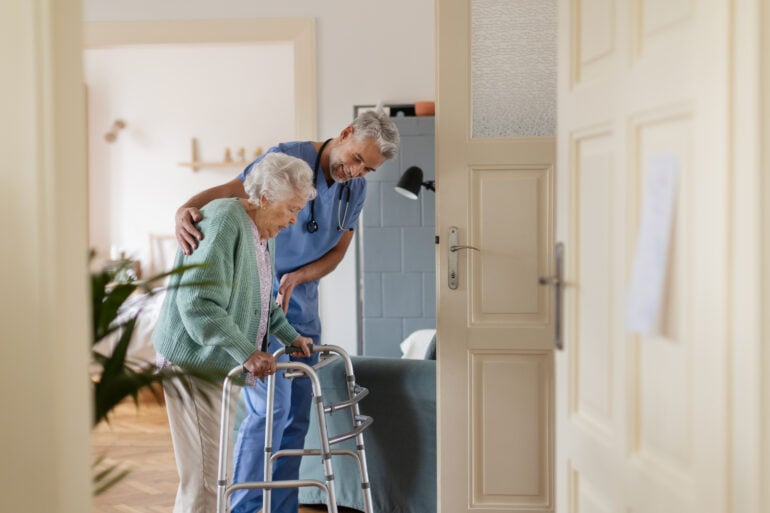
- Improper use of mobility aids: Residents who are not properly assisted with walkers, wheelchairs, or canes face a higher risk of falling.
- Medication mismanagement: Certain medications can cause dizziness or confusion, and failing to monitor side effects can lead to preventable falls.
- Lack of fall risk assessments: Facilities are expected to evaluate each resident’s fall risk and implement an appropriate care plan. Skipping this step can constitute negligence.
If any of these factors played a role in your loved one’s fall, it may be worth exploring a legal claim against the facility.
Proving Liability in a Nursing Home Fall Case
Successfully suing a nursing home for a fall typically requires demonstrating that the facility breached its duty of care. This generally involves showing four key elements:
- Duty of care: The nursing home had a legal obligation to provide a safe environment and appropriate supervision for its residents.
- Breach of duty: The facility failed to meet this standard of care, whether through understaffing, poor maintenance, or inadequate supervision.
- Causation: The breach directly caused the fall and resulting injury.
- Damages: The resident suffered measurable harm, such as physical injury, medical expenses, or emotional distress.
Gathering evidence is crucial to building a strong case. This may include incident reports, medical records, witness statements, photographs of the scene, and documentation of the facility’s staffing levels at the time of the fall.
What to Do If a Loved One Falls in a Nursing Home
If your loved one has suffered a fall in a nursing home, taking prompt action can strengthen any potential legal claim. Consider the following steps:
- Seek medical attention immediately to properly document the injury.
- Request an incident report from the facility detailing what happened.
- Take photographs of the location where the fall occurred, including any hazards.
- Speak with witnesses, including staff members or other residents who may have seen the incident.
- Consult an attorney who specializes in nursing home neglect cases to evaluate whether you have grounds for a lawsuit.
Acting quickly not only helps preserve evidence but also ensures you stay within any applicable statute of limitations for filing a claim.
Moving Forward After a Nursing Home Fall
A fall in a nursing home can have lasting physical, emotional, and financial consequences for both residents and their families. While not every fall results from neglect, many do stem from preventable failures in care, supervision, or facility maintenance. If you suspect that nursing home neglect contributed to your loved one’s fall, you have the right to pursue accountability.
Consulting with a knowledgeable attorney can help you understand your legal options and determine whether pursuing a claim against the facility is appropriate. Taking action not only supports your family’s recovery but can also help prevent future harm to other residents in the same facility.