

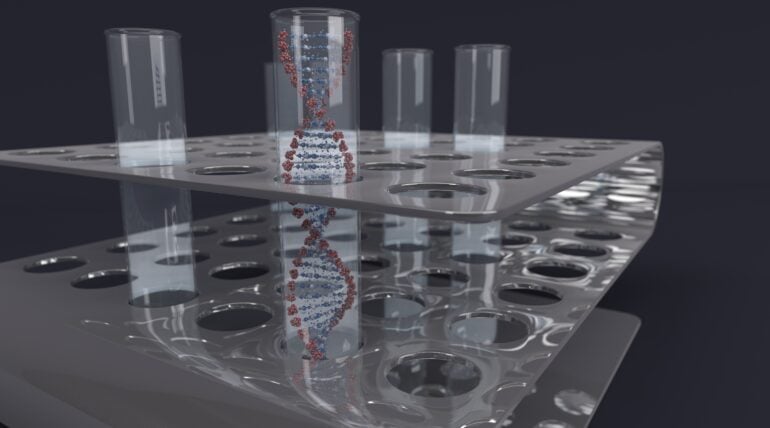
Genomic science has undergone a revolution over the past two decades, transitioning from a research tool requiring years and billions of dollars to sequence a single human genome to a clinical diagnostic service deliverable in days at a cost accessible to healthcare systems and, increasingly, to individual consumers. At the heart of this transformation is next-generation sequencing (NGS): a family of technologies that read DNA sequences in massively parallel fashion, generating comprehensive genomic data with a speed and accuracy that previous sequencing methods could not approach.
At zamzammedford.com you will find information about genetic testing and genomic technologies, including NGS sequencing, its applications in medicine and research, and the questions and answers that help patients, researchers, and healthcare professionals understand what genomic testing can and cannot tell us.
What Is NGS Sequencing?
Next-generation sequencing refers to a range of high-throughput DNA and RNA sequencing technologies that enable rapid, parallel sequencing of millions or billions of DNA fragments simultaneously. Unlike the earlier Sanger sequencing method (which sequences DNA one fragment at a time), NGS generates sequence data from the entire genome or targeted regions in a single experiment, producing comprehensive coverage at dramatically reduced cost.
The most widely used NGS platforms in clinical diagnostics are based on sequencing-by-synthesis chemistry, in which fluorescently labelled nucleotides are incorporated into a growing DNA strand and detected optically. The result is a digital readout of the sequence of each DNA fragment, which bioinformatics pipelines then assemble into a complete genomic picture.
Applications of NGS in Clinical Medicine
The clinical applications of NGS sequencing are extensive and growing rapidly.
Oncology is the field where NGS has had the most immediate clinical impact. Tumour genome sequencing identifies the specific mutations driving a patient’s cancer, enabling selection of targeted therapies that attack these specific molecular vulnerabilities rather than using non-selective chemotherapy. The concept of matching treatment to tumour genetics has transformed outcomes in several cancer types, and liquid biopsy (sequencing circulating tumour DNA from a blood sample) extends these capabilities to non-invasive monitoring of treatment response and early detection of resistance.
Inherited genetic disorders represent another major application area. Whole exome sequencing (which sequences the protein-coding regions of the genome) and whole genome sequencing (which sequences the entire genome) provide comprehensive diagnostic tools for patients with rare diseases, many of whom have experienced long diagnostic odysseys through multiple specialties without a definitive diagnosis. NGS-based diagnostic panels can identify causative mutations in a growing proportion of these patients, enabling accurate genetic counselling and sometimes specific treatment.
How Much Does NGS Sequencing Cost?
The cost of NGS sequencing varies significantly by the type of sequencing required. Targeted gene panels, which sequence a defined set of clinically relevant genes, are the most affordable clinical sequencing option, with costs accessible to clinical budgets in most healthcare systems. Whole exome sequencing is more expensive but increasingly within clinical reach for appropriate indications. Whole genome sequencing remains the most expensive approach but its cost continues to decline.
Equipment costs for NGS platforms range from approximately $20,000 for entry-level instruments suitable for small laboratories to over $1 million for high-throughput instruments used in large clinical genomic laboratories. The choice of instrument depends on the volume and type of sequencing required, the bioinformatics capacity available to process the data, and the clinical context.
Genetic Counselling and Interpretation
Generating NGS data is the simpler part of clinical genomics; interpreting the results in the context of a specific patient’s clinical presentation is the complex and consequential part. Not all variants identified by sequencing are clinically significant: the human genome contains millions of variants between individuals, most of which are benign. Distinguishing pathogenic variants (those that cause or contribute to disease) from benign polymorphisms requires the integration of population databases, functional evidence, and clinical expertise.
Genetic counselling before and after testing ensures that patients understand what the test can and cannot tell them, what the implications of different result outcomes are, and how to use the information appropriately in their clinical management. For heritable conditions, genetic results have implications not just for the individual tested but for their biological relatives, adding dimensions of family communication and shared decision-making that require careful handling.