

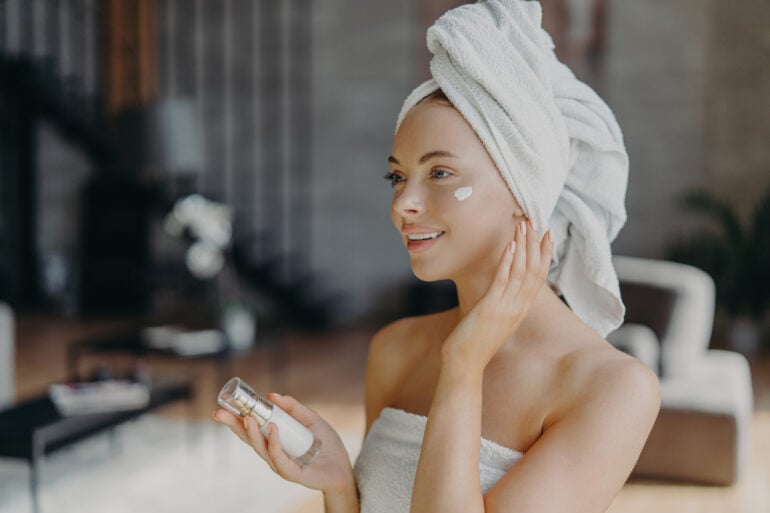
You finally find a moisturizer that feels luxurious, smells great, and glides on smoothly. A week later, your skin is covered in small bumps and your confidence takes a hit. It’s a frustrating experience, and one that leaves many people wondering if moisturizer is actually the culprit behind their breakouts.
The short answer is yes, moisturizer can absolutely contribute to breakouts. But the full story is a bit more nuanced than simply blaming the product itself.
Why Moisturizer Gets Blamed
Breakouts often appear shortly after introducing a new skincare product, which makes moisturizer an easy target. Unlike cleansers that rinse off, moisturizer sits on your skin for hours, giving it plenty of time to interact with your pores. If a formula contains heavy oils, waxes, or synthetic fragrances that don’t agree with your skin type, those ingredients can clog pores and trap bacteria underneath, leading to the kind of inflammation that shows up as pimples.
That said, not every breakout following a moisturizer switch means the product is to blame. Sometimes skin is simply adjusting, and sometimes the real trigger is something else entirely, like a change in diet, stress levels, or hormonal fluctuations that happened to coincide with the new routine.
Comedogenic Ingredients: The Real Troublemakers
Certain ingredients are more likely than others to clog pores, a quality known as being “comedogenic.” Coconut oil, cocoa butter, and certain synthetic thickeners are common offenders. These ingredients sit on the skin’s surface and can mix with sebum and dead skin cells, forming a blockage that leads to whiteheads or blackheads.
This doesn’t mean these ingredients are bad for everyone. Skin type plays a huge role here. Someone with dry skin might use a rich, oil-based cream with no issues, while someone with oily or acne-prone skin could break out from the same product within days. Reading ingredient labels and understanding your own skin’s tendencies can go a long way toward avoiding unwanted reactions.
The Purging Myth vs. Real Breakouts
There’s a concept in skincare called “purging,” which refers to a temporary increase in breakouts when you introduce a product that speeds up cell turnover, like one containing retinol or certain acids. The theory is that the product is bringing existing congestion to the surface faster than it would naturally occur.
Moisturizers, however, typically don’t cause purging because they aren’t designed to accelerate cell turnover. If you break out after using a new moisturizer, it’s more likely a true reaction to the formula rather than a purge. This distinction matters because it affects how you should respond. Purging usually resolves on its own within a few weeks, while a genuine breakout reaction calls for discontinuing the product.
Signs Your Moisturizer Isn’t Right for You
A few telltale signs can help you determine whether your moisturizer is behind your skin troubles. Breakouts that appear in areas where you apply the product, rather than in your typical trouble spots, are a strong clue. Small, uniform bumps called closed comedones are another common reaction to pore-clogging ingredients. You might also notice increased oiliness, a feeling of heaviness on the skin, or a sudden onset of texture changes shortly after starting a new product.
If your skin feels irritated, red, or itchy in addition to breaking out, that could point toward a sensitivity or allergic reaction rather than clogged pores, which is a different issue requiring a different solution.
Finding a Moisturizer That Works With Your Skin
The good news is that breakouts from moisturizer are usually avoidable once you know what to look for. Choosing a formula labeled “non-comedogenic” is a good starting point, since these products are specifically designed to avoid pore blockage. Lighter, water-based formulas tend to work better for oily or acne-prone skin, while richer creams suit drier skin types that can tolerate more emollient ingredients.
Introducing new products one at a time, rather than overhauling your entire routine at once, also makes it much easier to pinpoint a cause if breakouts do occur. Giving a new moisturizer a couple of weeks before judging its effects can help you distinguish between temporary adjustment and a true incompatibility.
The Bottom Line
Moisturizer absolutely has the potential to cause breakouts, particularly when its ingredients don’t match your skin’s specific needs. Understanding your skin type, reading labels carefully, and introducing new products thoughtfully are the best ways to enjoy the benefits of moisturizing without the unwelcome side effect of unexpected blemishes.