

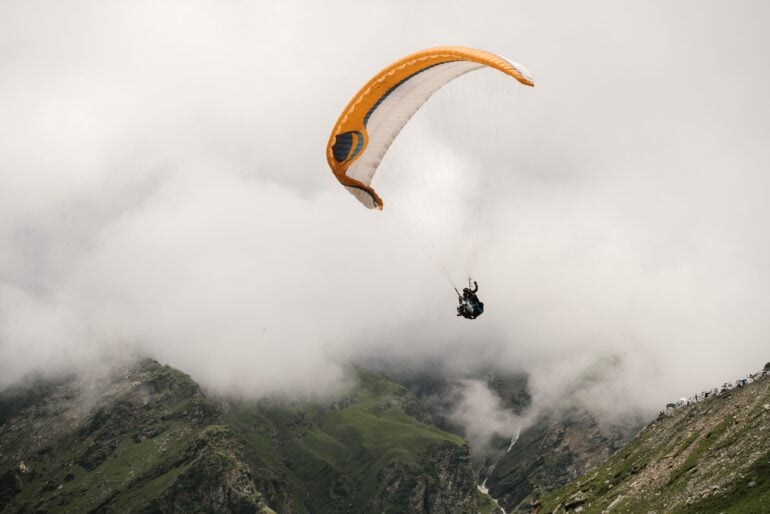
Le Grand-Bornand in the Haute-Savoie department of France, thirty kilometres east of Annecy in the French Alps, is one of Europe’s premier destinations for free flight sports. The combination of reliable alpine thermals, varied launch sites, dramatic mountain scenery, and the well-developed infrastructure of an established ski and outdoor resort creates conditions that attract paraglider pilots and hang glider pilots from across the continent. Among the competitive events that define Le Grand-Bornand’s position in the free flight world, the Back to Grand Bo challenge occupies a special place.
At backtograndbo.com you will find competition information, registration details, pilot resources, and everything related to the Back to Grand Bo paragliding challenge at Le Grand-Bornand, including itinerary, rules, categories, and how to reach and prepare for this outstanding alpine free flight event.
What Is the Back to Grand Bo Challenge
The Back to Grand Bo is a free flight distance challenge based at Le Grand-Bornand, in which participants launch from the top of Mont Lachat, the highest point of the Le Grand-Bornand ski resort, and attempt to fly the greatest distance before returning to land at the designated landing zone in the valley. The event runs across a training period and competition flying days, with prize money distributed across Elite, Performance, and Standard categories.
Paragliding is an aerial sport in which pilots fly lightweight, free-flying, foot-launched glider aircraft. The pilot sits in a harness suspended below the fabric wing, using thermal air currents and ridge lift to gain altitude and extend flight duration and distance. The sport has developed from an experimental activity into a well-regulated, technically sophisticated discipline with a global community of participants ranging from recreational flyers to professional competition pilots.
The Competition Format
The Back to Grand Bo operates on a simple and appealing concept: take off with a single goal and make the longest distance before returning to land at the home landing zone. This format rewards both skill and conditions in equal measure; a pilot who reads the weather and the mountain’s thermal generation patterns well will consistently outperform technically superior pilots who misjudge the conditions.
The event divides participants into categories by wing certification: Elite pilots fly Category D (high-performance) wings; Performance pilots fly Category C wings; Standard pilots fly wings up to Category B. This stratification allows fair competition between pilots of different experience levels and ensures that the event is accessible to competent recreational pilots as well as professionals.
The registration process requires proof of aviation civil liability insurance and an IPPI 5 (International Pilot Proficiency Indicator) qualification or French equivalent Brevet de pilote, ensuring that the field is composed of properly qualified pilots. Registration includes a five-lift card for the Mont Lachat cable car, providing efficient access to the launch site throughout the training and competition period.
Le Grand-Bornand: The Location
Le Grand-Bornand is situated in the Aravis chain of the French Prealps, a landscape of dramatic limestone formations, high alpine pastures, and the rich dairy farming culture that produces the region’s famous Reblochon cheese. The village is a year-round resort: a ski destination in winter with a network of well-regarded slopes and the famous Biathlon World Cup venue, and a hiking, cycling, climbing, and free flight destination in summer.
The proximity to Annecy (35 minutes by car) and to Geneva International Airport (approximately one hour) makes Le Grand-Bornand very accessible for international pilots. The village itself provides a full range of accommodation, restaurants, and services for visitors, with the sporting atmosphere of an active alpine resort adding to the appeal.
Preparing for a Paragliding Competition
Successful competition paragliding requires both technical skill and strategic intelligence. Meteorological analysis, knowledge of the specific mountain’s thermal generation patterns, and the ability to make real-time tactical decisions about routing and altitude management determine outcomes as much as raw piloting skill. Spending the training days before competition carefully observing conditions, testing different areas of the launch and cross-country route, and building a picture of the day’s specific behaviour of the mountain provides the foundation for competitive performance.
For pilots participating in the Back to Grand Bo for the first time, the training period is essential preparation. Speaking with more experienced pilots who know the site, attending briefings thoroughly, and flying conservatively during training in order to understand the specific conditions before committing to competitive flying produces better results than aggressive early attempts that may end in off-field landings.