

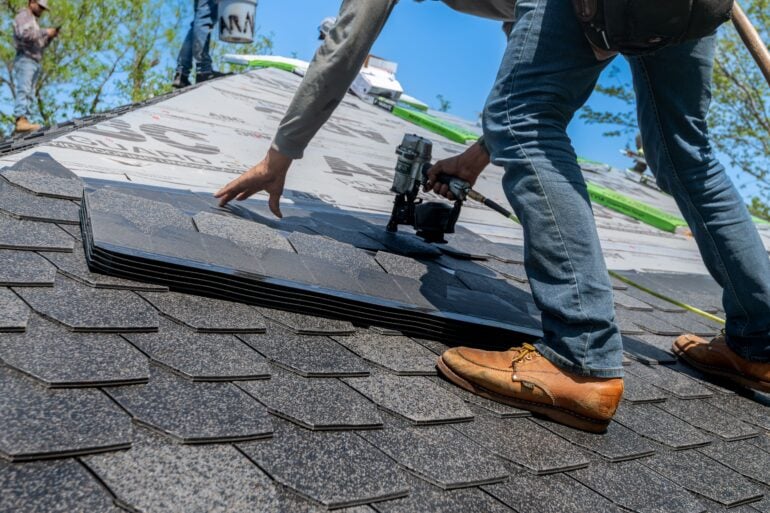
Replacing your roof usually feels like a necessary chore rather than an exciting home improvement project. Most homeowners simply swap out the old, worn shingles for the same style and call it a day. But if your home needs a new roof, you actually have a rare opportunity to completely reinvent the exterior of your house. Instead of just patching up what’s already there, you can alter the shape, pitch, and materials to boost your curb appeal and even add square footage to your interior.
Changing the structural design is a significant undertaking, but it pays off by transforming a dated house into a modern showstopper. If you’re tired of the way your home currently looks from the street, here’s a guide on how to safely and effectively change your roof’s design during the replacement process.
Assessing the Structural Requirements
Before you start picking out new materials or dreaming of dramatic peaks, you’ve got to look at the bones of your house. Your current home was engineered to support a specific type of roof. If you want to change a flat roof to a pitched gable, or switch from a simple hip roof to a complex design with multiple valleys, you’ll need a structural engineer.
They evaluate your home’s load-bearing walls to ensure they can support the altered weight distribution. Building a different shape means ripping out the existing trusses and building a completely different framework. This extends the project timeline and increases the budget, but it’s the only way to safely alter the silhouette of your home. You’ll also need to secure the proper building permits before any framing begins, making a professional assessment your first step.
Exploring Different Roof Shapes
Once you know what your home can structurally support, you can explore different architectural styles. The shape you choose dictates the entire personality of your home. If your house currently has a flat or low-slope roof, upgrading to a classic gable roof adds height and traditional charm. A gable design features two sloping sides that meet at a ridge, making it excellent for shedding rain and snow.
If you want a more dynamic look, consider transitioning to a hip roof, where all four sides slope downward toward the walls. This style performs exceptionally well in high-wind areas and gives the house a compact, solid appearance. For homeowners looking to maximize their attic space, a mansard design offers nearly vertical lower slopes, providing plenty of headroom right under the rafters.
Upgrading the Surface Materials
Changing the structural shape isn’t the only way to redesign your roof. You can dramatically alter the aesthetics simply by upgrading the materials. Standard three-tab asphalt shingles are functional, but they don’t offer much in terms of visual interest. Switching to architectural shingles adds depth and dimension, mimicking the look of natural wood shakes or slate tiles without the added weight.
If you’re looking for a sleek, modern upgrade, installing a standing seam metal roof completely changes the vibe of the property. Metal panels offer clean, crisp lines and come in a variety of bold colors that make your house stand out in the neighborhood. Alternatively, if your home can support the load, natural slate brings a timeless, elegant quality that standard asphalt simply can’t match.
Adding Dormers and Architectural Features
If entirely rebuilding the trusses is out of your budget, you can still change the design by adding specific architectural features to your existing roofline. Dormers are one of the most popular additions during a replacement project. These are small, roofed structures that project outward from the main slope, usually containing a window. Adding a dormer breaks up a long, boring expanse of shingles and floods your attic or upper bedrooms with natural light.
You might also consider extending the eaves. Extending the overhang makes the house look wider and provides better protection for your siding against harsh weather. Even adding a simple portico over your front door during the replacement completely changes the entryway, creating a welcoming focal point that wasn’t there before.
Navigating Local Regulations and HOAs
Whenever you make a visible change to the exterior of your property, you have to deal with some red tape. Before you finalize any design plans, check with your local homeowners association if you live in a managed neighborhood. Many HOAs have strict guidelines regarding roof pitch, colors, and acceptable materials. You don’t want to invest in a beautiful, modern metal roof only to find out your neighborhood requires traditional asphalt.
Additionally, local building codes might dictate certain requirements based on your climate, especially if you live in an area prone to severe weather. Working closely with an experienced local contractor ensures your new design meets all residential codes and neighborhood standards so you don’t face penalties down the road.
Switch Up Your Roof’s Look
Replacing a roof is a significant financial investment, so you shouldn’t feel locked into replicating a design you don’t love. Whether you decide to rebuild the framing to create dramatic new peaks, upgrade to premium metal panels, or simply add a few dormers to brighten up your top floor, a replacement project is your best chance to redefine your home’s exterior. By taking the time to consult with structural experts and explore your design options, you can turn a routine maintenance project into a stunning architectural transformation. With careful planning, you’ll end up with a property that not only protects your family from the elements but also looks exactly the way you always wanted it to.