

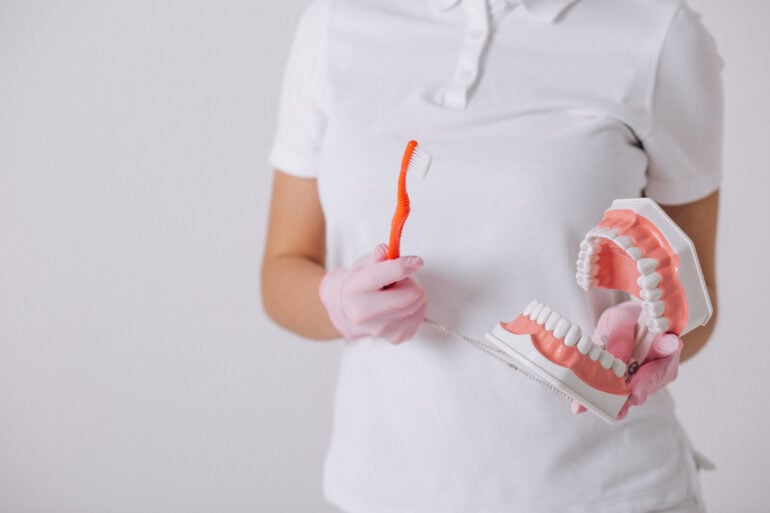
Oral health is one of the most directly controllable dimensions of overall health, yet it is frequently neglected until problems develop that are both painful and expensive to treat. The consequences of poor oral hygiene extend far beyond the mouth: periodontal disease is independently associated with cardiovascular disease, diabetes complications, respiratory conditions, and adverse pregnancy outcomes. Investing in consistent, effective oral care is one of the most valuable health decisions a person can make.
At dr-taleb.co.il you will find dental health information, oral care guides, and practical advice covering preventive dentistry, cosmetic treatments, orthodontics, dental implants, and all the topics that help patients understand and improve their oral health.
The Foundation: Effective Daily Oral Hygiene
Oral hygiene practices that are consistently performed correctly prevent the vast majority of dental problems. Tooth decay and gum disease, which account for most dental treatment needs, are almost entirely preventable through combination of effective brushing, interdental cleaning, and appropriate dietary habits.
Brushing twice daily for two minutes each session with fluoride toothpaste is the cornerstone of oral hygiene. Electric toothbrushes consistently outperform manual brushing in clinical studies, achieving superior plaque removal with lower scrubbing force. The built-in timer of most electric brushes ensures the recommended two-minute duration is achieved; pressure sensors on quality models prevent the overbrushing that damages enamel and gum tissue.
Fluoride toothpaste provides the most cost-effective preventive benefit in dentistry. Fluoride strengthens tooth enamel, inhibits the bacteria that produce the acids that cause decay, and promotes remineralisation of early decay lesions before they become cavities requiring restoration. Using an appropriate fluoride concentration (adults: 1,350 to 1,500 ppm; children under 7: 1,000 ppm under professional guidance) maximises this protective benefit.
Gum Disease: Prevention and Early Detection
Gum disease (periodontal disease) affects the tissues that support teeth and is the leading cause of tooth loss in adults. It begins as gingivitis (inflammation of the gum tissue caused by plaque accumulation) and progresses to periodontitis (inflammation and infection of the deeper supporting structures) if not treated.
Gingivitis is entirely reversible with effective plaque removal; periodontitis causes permanent bone loss that cannot be reversed, only stabilised. The implication is that preventing the progression from gingivitis to periodontitis through consistent interdental cleaning is far more important than treating periodontitis after it has developed.
Interdental cleaning (flossing or using interdental brushes) removes plaque from between teeth where toothbrush bristles cannot reach. This plaque is the primary driver of both interproximal decay and periodontal disease. Incorporating interdental cleaning into a daily routine, even if only once per day, reduces the risk of both conditions significantly.
Cosmetic Dentistry: What Is Possible and How to Access It
Cosmetic dentistry encompasses treatments that improve the appearance of teeth without necessarily addressing structural health concerns. Professional tooth whitening, porcelain veneers, composite bonding, and tooth-coloured restorations all contribute to the aesthetically pleasing smile that patients increasingly seek alongside clinical dental health.
Professional whitening produces predictable, dramatic results significantly beyond what over-the-counter products achieve. Custom-fitted trays loaded with professional-strength whitening gel, worn for prescribed periods over several weeks, produce safe, long-lasting colour change that transforms the overall appearance of the smile.
Porcelain veneers are thin shells of ceramic material that are bonded to the front surfaces of teeth to correct discolouration, shape irregularities, minor misalignment, and other aesthetic concerns. They require minimal tooth preparation (removal of a small amount of enamel) in many cases and provide durable, natural-looking results that resist staining.
Dental Implants: The Modern Solution for Missing Teeth
Dental implants have transformed the treatment of tooth loss, providing a replacement that is biomechanically similar to a natural tooth root: a titanium post that integrates with the jawbone (osseointegration) and supports a crown, bridge, or denture.
The advantages of implants over conventional tooth-supported bridges or removable dentures include preservation of the bone that would otherwise resorb without a tooth root to stimulate it, elimination of the need to prepare adjacent healthy teeth for bridge support, and the confidence and comfort of a fixed restoration that functions like natural teeth.
Orthodontics for Adults
Adult orthodontics has been transformed by clear aligner technology (Invisalign and similar systems), which provides effective teeth straightening through a series of transparent, removable plastic trays rather than fixed metal brackets and wires. Clear aligners are less visible, more comfortable, and more convenient for daily oral hygiene than traditional fixed appliances, making orthodontic treatment accessible to adult patients who would not consider metal braces.