

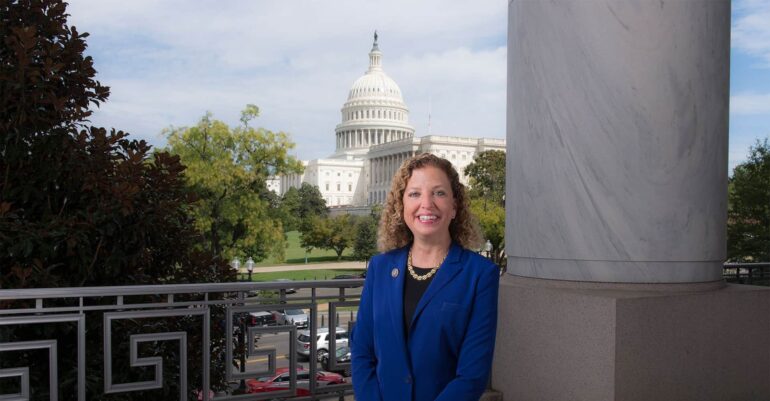
Debbie Wasserman Schultz is taking a leading role in one of the most important bipartisan initiatives in Congress this year. The Florida congresswoman has joined forces with lawmakers from both sides of the aisle to push for a comprehensive national strategy to counter antisemitism across the United States. Her effort is aimed at addressing what many experts and advocacy groups see as a troubling rise in antisemitic incidents and rhetoric, both online and in communities nationwide.
A Growing Threat Requires a National Response
The call for a unified federal approach comes at a time when antisemitic acts have been on the rise. From violent attacks on Jewish community centers to online hate speech targeting Jewish individuals and institutions, data from civil rights organizations shows a sharp increase in the past several years. Debbie Wasserman Schultz has made it clear that this is not a problem that can be solved through piecemeal legislation or local action alone. She believes the federal government must play a proactive role in prevention, education, and law enforcement coordination.
In a press release announcing the bipartisan legislation, Debbie Wasserman Schultz stressed that combating antisemitism is not just a Jewish issue, but an American one. She emphasized that bigotry in any form threatens the fabric of democracy and that the fight against antisemitism must be a priority for all Americans, regardless of political affiliation.

Building a Bipartisan Coalition
One of the most notable aspects of this initiative is its bipartisan nature. In an era when political polarization often stalls legislative progress, Debbie Wasserman Schultz has successfully brought together colleagues from both major parties to support the measure. This coalition aims to develop and implement a federal framework that includes monitoring antisemitic threats, enhancing education programs, and improving communication between law enforcement agencies at all levels.
The legislation also calls for increased funding for community security grants, which help synagogues, Jewish schools, and cultural centers improve physical safety measures. Debbie Wasserman Schultz has argued that these grants are essential for protecting vulnerable communities and giving them the resources needed to respond to potential threats.
Educating the Next Generation
A central component of the proposed national strategy is education. Debbie Wasserman Schultz has long been an advocate for integrating lessons on antisemitism, the Holocaust, and Jewish history into school curricula. She believes that early education is a powerful tool to counter hate and prejudice before it takes root.
The bill would provide funding and guidance for states to incorporate comprehensive lessons on antisemitism and Holocaust history into public school programs. According to Debbie Wasserman Schultz, these educational efforts will not only help students understand the historical roots of antisemitism but also teach them the importance of tolerance, inclusion, and respect for diversity.
Support from Advocacy Groups
Major Jewish organizations, civil rights groups, and religious leaders have voiced strong support for Debbie Wasserman Schultz and her bipartisan colleagues. Many of these groups have been advocating for a national plan for years, citing fragmented responses and inconsistent enforcement at the state level.
The Anti-Defamation League, the American Jewish Committee, and other advocacy groups have praised the legislation’s emphasis on coordination between federal, state, and local authorities. They believe that by creating a unified strategy, the U.S. can better track incidents, respond to threats, and hold perpetrators accountable.
Looking Ahead
While the bill has gained significant momentum, Debbie Wasserman Schultz acknowledges that passing it will require continued collaboration and public support. She has urged citizens to contact their representatives and express the importance of fighting antisemitism as a national priority.
Her leadership on this issue reflects a broader commitment to human rights and community safety that has been a hallmark of her political career. From championing early breast cancer detection laws to advocating for gun safety measures, Debbie Wasserman Schultz has built a legislative record centered on protecting vulnerable communities.
If passed, the national strategy to combat antisemitism would mark a significant step forward in ensuring that Jewish Americans can live without fear of violence or discrimination. It would also send a powerful message to the world that the United States is united in confronting hate in all its forms.
By combining education, security, and bipartisan cooperation, Debbie Wasserman Schultz hopes this legislation will serve as a lasting shield against antisemitism and a model for addressing other forms of hate across the nation.