

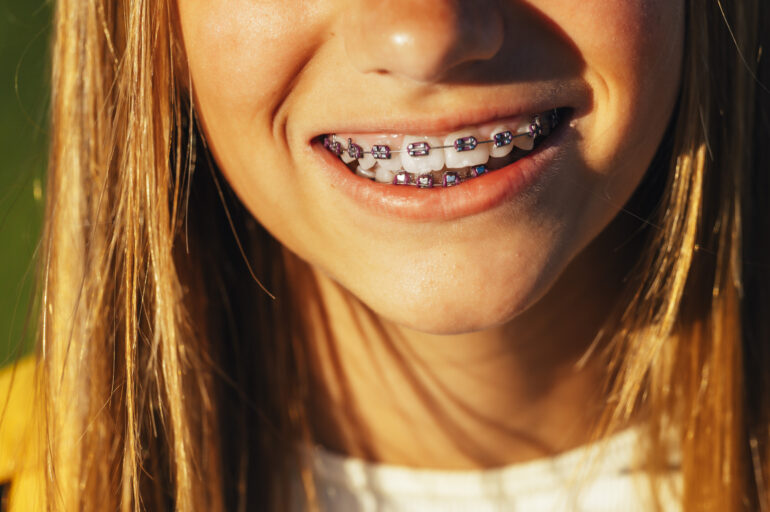
Misaligned bites are more common than many people realize, and underbites and crossbites rank among the most noticeable. If your lower jaw juts forward past your upper teeth, or if your upper and lower teeth don’t line up correctly when you bite down, you might be dealing with one of these conditions. The good news is that orthodontics offers effective solutions, and braces are often at the center of treatment.
Understanding Underbites and Crossbites
An underbite occurs when the lower teeth and jaw extend further forward than the upper teeth. This creates a reversed bite pattern compared to what’s considered ideal, where the upper teeth should slightly overlap the lower teeth.
A crossbite, on the other hand, happens when one or more upper teeth sit inside the lower teeth rather than outside, as they normally would. This can affect just a few teeth or involve the entire dental arch, and it can occur on one or both sides of the mouth.
Both conditions can stem from genetics, childhood habits like thumb sucking, jaw size discrepancies, or missing and crowded teeth. Left untreated, they can lead to uneven wear on teeth, jaw discomfort, speech difficulties, and challenges with chewing properly.
How Braces Address These Issues
Traditional braces work by applying consistent, gentle pressure to teeth over time, gradually shifting them into proper alignment. For underbites and crossbites, braces are frequently part of a broader treatment plan that may include additional orthodontic tools.
In cases of a crossbite, braces alone can often correct the issue, especially when it involves a limited number of teeth. The brackets and wires guide the misaligned teeth back into their correct position relative to the opposing arch, restoring a balanced bite.
Underbites tend to be more complex because they often involve not just tooth position but also the underlying jaw structure. When the underbite is primarily dental, meaning the teeth are the main issue rather than the jaw itself, braces can be quite effective at correcting the problem. Orthodontists may also use additional appliances, like elastics or expanders, alongside braces to help guide the jaw and teeth into better alignment.
When Braces Alone May Not Be Enough
For more severe cases, particularly those where the underbite results from a significant skeletal discrepancy between the upper and lower jaw, braces might need to be paired with other treatments. This could include orthodontic appliances designed to influence jaw growth in younger patients, or in some cases, surgical intervention for adults whose jaw growth has already completed.
Orthodontists typically evaluate the severity of the condition through a combination of clinical examination, X-rays, and sometimes 3D imaging. This assessment helps determine whether braces alone will suffice or whether a more comprehensive treatment plan is necessary.
The Importance of Early Evaluation
Catching bite issues early can make a significant difference in treatment outcomes. Children’s jaws are still developing, which gives orthodontists more flexibility to guide growth and potentially avoid more invasive treatments later on. This is why many dental professionals recommend an orthodontic evaluation around age seven, even if it’s too early for braces.
For adults, it’s never too late to address an underbite or crossbite. While treatment may take a bit longer or require a more involved approach, modern orthodontic techniques make it possible to achieve meaningful improvements at nearly any age.
What to Expect During Treatment
Treatment timelines vary widely depending on the severity of the bite issue, the patient’s age, and the specific approach used. Some patients see noticeable improvement within several months, while more complex cases may take a few years to fully resolve.
Throughout treatment, regular visits to the orthodontist are essential. These appointments allow for adjustments to the braces and monitoring of progress, ensuring the teeth and jaw are moving in the right direction. Patients may also be given additional instructions, such as wearing rubber bands, to help correct the bite more effectively.
Final Thoughts
Braces can be a powerful tool for correcting both underbites and crossbites, particularly when the issue is primarily related to tooth position. While some cases may require a more comprehensive approach involving additional appliances or even surgery, the vast majority of patients see real improvement through orthodontic treatment.
If you suspect you or your child has an underbite or crossbite, scheduling a consultation with an orthodontist is the best first step. A thorough evaluation will help determine the most appropriate treatment plan, setting the stage for a healthier, more functional smile.