

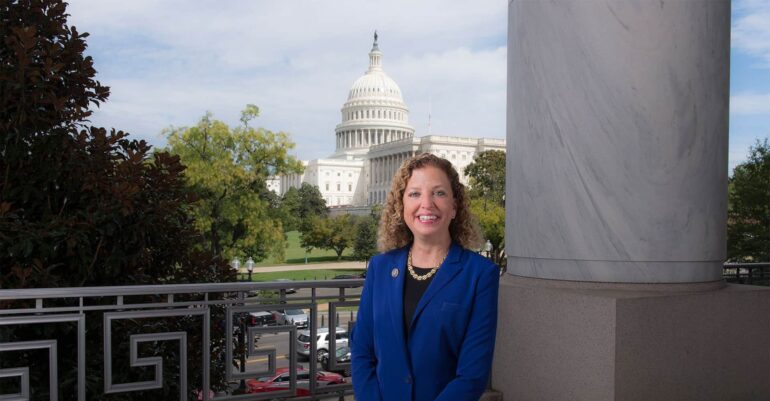
As the Democratic Party wrestles with internal fractures, few figures have become as emblematic of the establishment-progressive divide as Debbie Wasserman Schultz. Once a rising star within the party, and former chair of the Democratic National Committee, Debbie Wasserman Schultz now finds herself at the center of a critical question: can she rebuild trust with the progressive left?
The tension between long-serving institutional leaders and younger, more progressive activists has reshaped the political conversation in recent years. For many, Debbie Wasserman Schultz represents the old guard. But for others, especially her constituents and supporters in Florida, she remains a steady and experienced advocate for women’s rights, healthcare reform, and community safety.
With the 2026 midterms on the horizon, Debbie Wasserman Schultz’s ability to connect with the party’s left flank could determine not only her legacy but also the future direction of Democratic leadership.
Debbie Wasserman Schultz Still Wields Considerable Influence
Despite past controversies, Debbie Wasserman Schultz remains a powerful force within the Democratic Party. As Chair of the House Democratic Steering and Policy Committee, she helps assign committee positions and plays a key role in shaping the legislative agenda. This position allows her to influence what bills get prioritized and which members help lead on critical issues.
Her leadership on policy related to public health, reproductive rights, and antisemitism has earned her respect among moderates and many mainstream Democrats. She has been a consistent advocate for cancer research funding and expanded access to genetic testing, using her personal experience as a breast cancer survivor to inform policy decisions.
Still, among progressives, trust remains fragile. Many have not forgotten the 2016 Democratic primary, during which Debbie Wasserman Schultz, then head of the DNC, was accused of favoring Hillary Clinton over Bernie Sanders. Although she stepped down from her position in the aftermath of leaked emails, the damage to her relationship with the party’s left wing was significant.
Reaching Across the Divide With Policy
Efforts by Debbie Wasserman Schultz to regain trust have largely focused on her legislative work. She has supported numerous bills that align with progressive priorities, including measures to protect abortion rights, address racial disparities in healthcare, and expand access to mental health resources.

She has also been a vocal critic of antisemitism and hate crimes, introducing bipartisan legislation to provide federal funding for education and security at religious institutions. These actions have earned her praise from many advocacy groups and Jewish organizations, although some younger progressive voices have questioned her positions on U.S.-Israel policy.
Rebuilding trust with progressives will require not only policy alignment but also a shift in tone. Many younger voters are looking for leaders who listen, collaborate, and share their urgency about issues like climate change, wealth inequality, and criminal justice reform. Whether Debbie Wasserman Schultz can adjust her style to meet those expectations remains to be seen.
Critics Cite Ethics Concerns as a Barrier
Another challenge for Debbie Wasserman Schultz in winning over progressive voters is the ongoing scrutiny over her stock trades and financial disclosures. Reports that her investments aligned closely with legislative activity have fueled accusations of insider behavior, even though no formal violations have been proven.
For a progressive movement that has built its identity around government accountability and anti-corruption, these concerns are not easily dismissed. Progressive leaders have championed efforts to ban congressional stock trading altogether, and Debbie Wasserman Schultz’s financial activities remain a talking point in those conversations.
To win back trust, she will likely need to address these concerns directly and show support for reforms that align with transparency and accountability.
A Critical Moment for Debbie Wasserman Schultz
As the Democratic Party continues to evolve, Debbie Wasserman Schultz faces a defining moment. Her legislative record and leadership experience are unquestioned, but her ability to connect with younger and more progressive voters will determine how she is remembered within the party.
Can she rebuild trust with the left, or will she remain a symbol of the status quo? The answer to that question may shape not only her political future, but also the broader trajectory of Democratic leadership in the years to come.