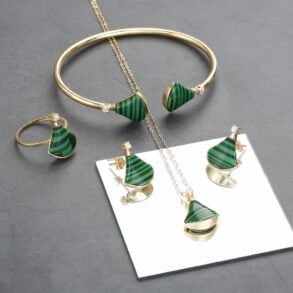


Jewellery is one of the most personal and enduring categories of consumer purchase, and the online market for jewellery has grown substantially, offering access to a wider range of styles, price points, and makers than any physical jewellery shop could accommodate. Buying jewellery online successfully requires understanding how to assess quality from descriptions and photographs, how to verify metal and gemstone claims, and how to distinguish genuine craftsmanship from mass-produced imitation.
At cdajewelry.com you will find jewellery guides, gemstone information, and practical buying advice covering fine jewellery, fashion accessories, custom design, and everything you need to make confident jewellery purchases online.
Metal Quality Markers in Online Jewellery
Jewellery quality in metal components is described through standardised hallmarking systems that vary by country but share a common logic: they indicate the purity of the precious metal content.
For gold jewellery, purity is expressed in carats (or karats in American usage). 24 carat gold is 99.9 percent pure gold; 18 carat is 75 percent gold; 14 carat is 58.5 percent; 9 carat is 37.5 percent. In Europe, hallmarks express fineness in parts per thousand: 750 corresponds to 18 carat, 585 to 14 carat, 375 to 9 carat. Higher carat gold is richer in colour and hypoallergenic; lower carat gold is harder and more scratch-resistant because of the alloy metals. Reputable online jewellery retailers clearly state the carat and may provide hallmark information in the product description.
Sterling silver is 92.5 percent silver, marked 925. This hallmark distinguishes genuine sterling from silver-plated or silver-coloured base metal. Silver-plated jewellery will eventually show the base metal as the plating wears through; sterling silver is solid throughout. Gold vermeil (a term with a specific legal definition in some jurisdictions) is sterling silver with a thick gold electroplating, providing more durability than standard gold plate.
Gemstone Terminology and What It Really Means
The language used to describe gemstones in product listings requires careful reading, as similar-sounding terms have very different meanings and price implications.
Natural gemstones are mined from the earth. Natural diamonds, rubies, sapphires, and emeralds of significant size and quality are genuinely valuable and should come with certification from a recognised gemological laboratory (GIA, IGI, HRD) that specifies the stone’s carat weight, cut, colour, and clarity.
Synthetic or lab-grown gemstones have identical chemical and physical properties to natural stones but are created in a controlled laboratory environment. Lab-grown diamonds are chemically identical to mined diamonds; their price is substantially lower. They are legitimate and, for buyers who do not place value on geological rarity, they represent excellent value for indistinguishable quality.
Simulants (cubic zirconia, moissanite, synthetic spinel) look similar to precious gemstones but have different chemical compositions. They are legitimate products at appropriate price points; the issue arises only when they are misrepresented as the stones they resemble.
Understanding Custom and Handcrafted Jewellery Online
Platforms like Etsy and independent designer websites have made handcrafted, custom jewellery accessible at prices and in styles that mass-market jewellery cannot provide. Independent jewellers who make each piece themselves, often to commission, offer the possibility of genuinely unique pieces and direct communication about specifications, materials, and modifications.
When buying from independent jewellers online, the most important considerations are the maker’s credentials (training, experience, examples of previous work), clear description of materials used (metal quality, stone origin), clear communication about timescales and any limitations on returns for custom pieces, and the payment protection available through the platform.
Online Platforms and Consumer Protection
Buying jewellery from established online retailers and platforms provides consumer protection that independent direct-from-website transactions may not offer equally. Major platforms (Amazon Jewellery, Etsy, reputable branded jewellery websites) provide buyer protection programs and return policies that reduce the risk of unsatisfactory purchases.
For significant jewellery purchases (engagement rings, anniversary pieces, investment-quality items), buying from retailers with clear certification requirements, transparent return policies, and established reputations provides the greatest security. Checking independent review platforms (Trustpilot, Google Reviews) for the retailer’s customer service history before purchasing a high-value piece is straightforward and worthwhile.
Requesting a certificate of authenticity for significant gemstones, and understanding what the certificate covers and which laboratory issued it, provides a formal record of the purchase that is valuable for insurance purposes as well as for confidence in the purchase.