
A baby stroller or pram is one of the most significant purchases new parents make, used daily from the first weeks of a baby’s life through toddlerhood. With hundreds of models across a wide price range, the market can be overwhelming but matching the right type of stroller to your family’s lifestyle and understanding what features genuinely matter simplifies the decision considerably.
At cochecitos-bebe.com you will find comprehensive reviews, buying guides, and comparisons for baby strollers, prams, and travel systems, helping parents find the perfect pushchair for their baby and their lifestyle.
Understanding the Main Types of Baby Stroller
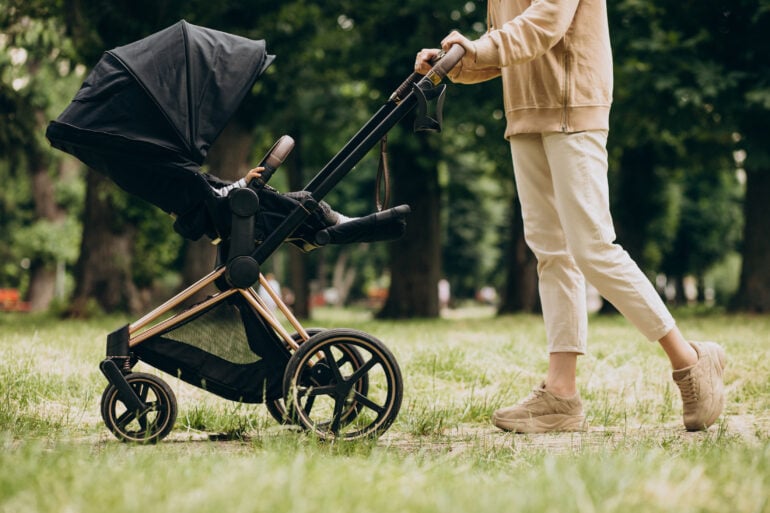
Baby strollers fall into several main categories, each designed for different family lifestyles and different stages of a baby’s development. Choosing the right category before comparing individual models focuses the decision where it matters most.
Full-size travel systems (3-in-1 systems) include a chassis, a lie-flat carrycot suitable from birth, and a toddler seat for older babies. They are the most versatile option providing a genuinely comfortable sleeping environment for newborns and growing with the baby into toddlerhood and if bought as a single system rather than piecemeal, typically represent good value. The trade-off is size and weight: full-size travel systems are the bulkiest and heaviest category.
Lightweight strollers (umbrella pushchairs) fold compactly and are easy to carry and store. Most are not suitable from birth because they require a baby who can sit unaided with adequate head control (typically from around six months). For families who already have a pram for the newborn stage, a lightweight stroller is an excellent second option for older babies. For travel and city use, where lifts are not always available and compact size matters, a lightweight stroller is often the primary choice from around six months.
Jogging strollers have three large wheels with pneumatic (air-filled) tyres, a fixed front wheel for stability at pace, and a suspension system that smooths rough terrain. They are designed for running parents who want to exercise while pushing the baby. They are less suited to tight city streets and café navigation than conventional strollers, but excellent for active families.
What to Look for When Choosing a Stroller
Suitability from birth is essential if the stroller is intended for use with a newborn. A newborn cannot support their own head and must lie flat; a stroller suitable from birth either has a fully reclining seat or comes with a separate carrycot. Any stroller that does not recline to completely flat requires a carrycot attachment to be safe for newborn use.
Fold mechanism quality makes an enormous practical difference in daily use. A stroller that can be folded one-handed while holding the baby, that stands independently when folded, and that fits in your specific car boot without a struggle will be used willingly. A stroller that requires two hands, falls over when folded, and barely fits in the car will generate daily frustration. Testing the fold mechanism ideally one-handed before purchasing is strongly advisable.
Suspension quality determines how smoothly the baby rides over pavements, kerbs, and rough ground. Good suspension protects a sleeping baby from being disturbed by surface imperfections and makes pushing easier on harder terrain. Larger wheels generally provide better natural suspension than smaller ones.
Canopy coverage is important for protecting the baby from sun and rain. A full-length extending canopy with UPF fabric is the most protective; a small peak canopy leaves the baby exposed. A peekaboo window in the canopy allows checking on a sleeping baby without opening the canopy and potentially disturbing them.
Key Brands and Price Points
The stroller market spans a wide price range, from budget options under £200 to premium brands above £1,200. Premium brands (Bugaboo, Silver Cross, iCandy, Stokke) offer excellent build quality, refined design, strong resale markets, and comprehensive accessory ranges. Mid-range brands (Chicco, Joie, Nuna, Cybex) offer the best combination of quality and value for most families. Budget brands are adequate for light use but typically have shorter lifespans.
Buying nearly-new or second-hand strollers from the premium brands through platforms like eBay, Facebook Marketplace, or specialist resale sites often provides access to high-quality products at mid-range prices, with much of the lifespan remaining. The strong resale market for premium brands means that a well-maintained pram retains significant value.
Accessories Worth Having
A rain cover is essential for year-round outdoor use in variable climates. Most strollers include a basic rain cover; third-party alternatives are available for brands where the included cover is poor quality.
A footmuff or cosy toes provides insulated warmth for the baby’s lower body in cold weather and replaces the need for a heavy snowsuit in the pram. As with snowsuits, snowsuit-style all-in-ones should not be worn in a car seat harness; a footmuff in the pram avoids this issue.
A changing bag that clips to the handle bar or fits in the underseat basket keeps essentials accessible without needing to carry a separate bag. Most stroller brands offer their own changing bag; universal alternatives from brands like Skip Hop and Cybex are also popular.