
Feeding a baby is one of the most time-intensive parts of early parenthood, and the right feeding equipment can make a significant practical difference to daily life. Whether you are breastfeeding, formula feeding, or combining both, having the right bottles, sterilizing equipment, and feeding accessories reduces friction and allows feeding time to be a calmer, more enjoyable experience for both parent and baby.
At ga-elect.com you will find expert buying guides, product reviews, and practical recommendations for baby feeding equipment, bottles, sterilizers, and all the accessories that make feeding a newborn easier and safer.
Choosing the Right Baby Bottle
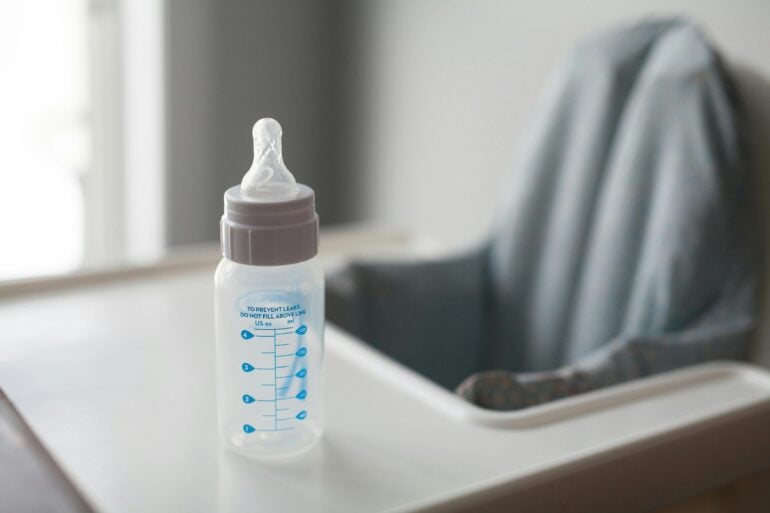
Baby bottles come in a wide range of shapes, sizes, materials, and nipple designs, and choosing the right one involves considering the baby’s feeding style, the parent’s lifestyle, and the specific situation (breastfeeding alongside bottle feeding, full formula feeding, or pumped breast milk in a bottle).
The material of the bottle body is a starting point. Borosilicate glass bottles are the most hygienic (non-porous, so they cannot harbour bacteria) and are free from concerns about chemical leaching, but they are heavier and breakable. Medical-grade polypropylene (PP) plastic bottles are lightweight and durable; they should be free from BPA (Bisphenol A), a concern that led to major reformulation across the industry. Stainless steel bottles are the most durable option, virtually unbreakable, but more expensive and cannot be used in microwave sterilizers.
Bottle shape affects how easily the bottle can be cleaned and how the baby holds it. Wide-neck bottles have a broader base, which makes filling easier and allows a wider range of nipple shapes; they are particularly popular with parents who are both breastfeeding and bottle feeding, as the wider nipple base more closely resembles breast tissue. Standard-neck bottles are narrower and fit a wider range of sterilizing and preparation accessories.
Nipple Flow Rates and Materials
The nipple (or teat) is the most critical functional element of a baby bottle for the baby’s experience. Nipples are rated by flow rate the speed at which liquid passes through and newborns universally require the slowest available flow rate. Using a faster flow than the baby can manage causes gulping, gas, and discomfort; using too slow a flow makes feeding effortful.
Silicone nipples are the standard in most modern baby bottles: they are soft, durable, heat-resistant, and easy to clean. Latex nipples are softer and more flexible, which some babies prefer, but latex degrades more quickly with repeated sterilizing and presents an allergy risk for babies with latex sensitivity.
Anti-colic features in bottles and nipples are designed to reduce the amount of air ingested during feeding. Various designs achieve this through venting systems in the nipple, valves in the bottle base, angled bottle designs that keep the nipple full of milk during feeding, and collapsible inner bags. Colic (persistent crying associated with gas and digestive discomfort) affects a significant proportion of babies in the first months, and while no single bottle design eliminates it, anti-colic designs demonstrably reduce air ingestion.
Sterilizing Equipment
Sterilizing bottles and all equipment that comes into contact with the baby’s milk removes harmful bacteria that could cause illness. All bottles, nipples, valves, and accessories should be sterilized before first use and after each use for at least the first year of the baby’s life.
Electric steam sterilizers are the most popular choice for home use: they sterilize a complete feed’s worth of bottles in six to eight minutes, keep equipment sterile for up to 24 hours with the lid closed, and typically accommodate six bottles plus accessories simultaneously. Leading brands include Tommee Tippee, Philips Avent, and Dr Browns.
Microwave steam sterilizers achieve the same result in three to five minutes in a microwave. They are compact, inexpensive, and effective, making them an excellent travel option alongside an electric sterilizer at home. Cold water sterilizing tablets or solutions provide a portable alternative that requires no heat: equipment is submerged in sterilizing solution for a minimum period (typically 30 minutes) and is then ready to use.
Preparing Formula Safely
Formula preparation requires careful attention to hygiene and temperature. The recommended method in most countries is to prepare formula fresh for each feed using water that has been boiled and cooled to at least 70°C, which is hot enough to kill any bacteria present in the formula powder. Allowing boiled water to cool for no more than 30 minutes before use and then allowing the prepared formula to cool to feeding temperature achieves this.
Perfect Prep machines (Tommee Tippee and equivalent products from other brands) automate this process: they dispense a shot of hot water to kill bacteria, add the formula powder, then top up with cooled filtered water to reach the correct volume and temperature immediately. They are expensive but genuinely time-saving, particularly during night feeds.
Formula dispensers for outings carry pre-measured formula powder in separate compartments, ready to add to a bottle of pre-boiled water when needed. They are a practical solution for feeds away from home and avoid the alternatives of carrying pre-made formula (which must be used within two hours at room temperature) or measuring out powder on the go.