

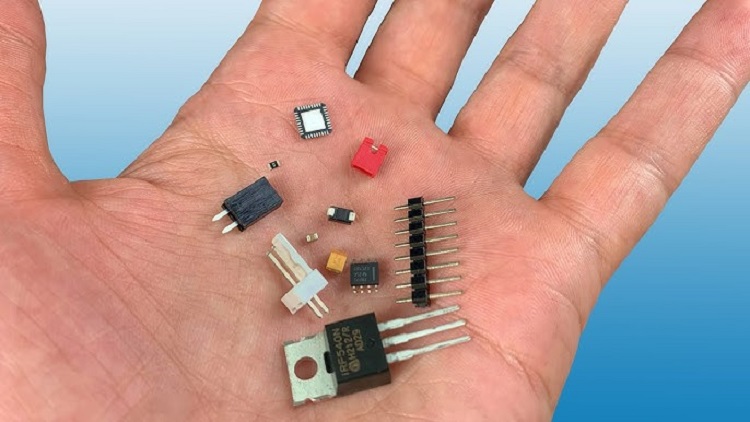
Getting started with electronics doesn’t have to be intimidating. With a few basic tools, components, and a little curiosity, beginners can create fascinating projects right at home. DIY electronics not only enhance problem-solving skills but also provide a hands-on understanding of how devices work. If you’re new to this world, the best way to start is with simple, beginner-friendly projects that gradually build your confidence.
Here are 10 DIY electronics projects that are perfect for beginners to try at home.
LED Blink Circuit
The classic LED blinking circuit is often considered the “hello world” of electronics. All you need is a breadboard, a resistor, an LED, and a power source. By making the LED blink, you’ll understand the basics of current flow, resistance, and polarity. Once you master this, you can move on to more complex light patterns using microcontrollers like Arduino.
Simple Door Alarm
A door alarm made with a magnetic reed switch and a buzzer is a fun way to learn about basic sensors. When the door opens, the circuit completes, triggering the buzzer. This project is not only educational but also useful for home security. It introduces you to the concept of switches and real-world applications of simple electronics.
Mini Solar Light
Harnessing solar energy is easier than it sounds. A small solar panel, rechargeable battery, and LED can be combined to create a solar-powered light. This project demonstrates how renewable energy works while giving you a practical gadget for use during power cuts or outdoor camping.
DIY FM Radio Receiver
Building a simple FM radio receiver allows you to dive into the world of analog electronics. With components like capacitors, resistors, and a transistor, you can tune into local radio stations. It’s a great way to learn about frequency, amplification, and audio circuitry while ending up with a functional device.
Automatic Night Light
This project uses a light-dependent resistor (LDR) and a transistor to create a circuit where an LED automatically switches on in the dark. It’s a beginner-friendly introduction to sensors and automation. The concept can later be expanded into smart home systems where lighting adjusts based on conditions.
Electronic Dice
Instead of rolling physical dice, try building an electronic version. Using a 555 timer IC, LEDs, and a push button, you can simulate the random roll of a dice. It’s a playful project that introduces you to integrated circuits and timing functions, making learning electronics more interactive.
Water Level Indicator
This project helps monitor the water level in a tank using simple probes and LEDs. When the water reaches a certain level, the LED or buzzer is triggered. This is a practical and eco-friendly project that teaches you about conductivity and sensors while solving a common household problem.
USB Phone Charger (Simple Version)
With a voltage regulator, you can build a small USB charger that powers your phone from batteries. This project teaches you about voltage regulation, circuit design, and safety basics when working with power. For beginners, it’s recommended to stick with small-scale battery-powered designs rather than mains electricity.
Motion Detector Light
Using a passive infrared (PIR) sensor and a few electronic components, you can build a motion-activated light system. Whenever someone passes by, the light turns on automatically. This project gives you a hands-on introduction to sensors, automation, and real-world applications like home security or energy efficiency.
DIY Robot Car (Beginner Level)
A simple two-wheeled robot car powered by DC motors and controlled by a microcontroller is an exciting beginner project. You can start with basic forward and backward movement, and later experiment with obstacle detection using ultrasonic sensors. This type of project introduces coding, robotics, and electronics all in one.
Tips for Beginners
- Start Simple: Begin with basic projects like LED blinkers before attempting complex builds.
- Use a Breadboard: It makes prototyping easy and avoids soldering mistakes.
- Learn Safety First: Always handle electricity with care and avoid working directly with mains power.
- Document Your Work: Keep notes on what works and what doesn’t—it helps with troubleshooting and future projects.
If you want to explore tutorials, guides, and more beginner-friendly ideas, websites like circuitdairy.com provide step-by-step instructions and inspiration for hobbyists.
Conclusion
DIY electronics projects are a great way to combine creativity and technical skills. Starting with small builds like LED blinkers or automatic lights builds a foundation for more advanced experiments, such as robotics and renewable energy systems. With consistency, curiosity, and the right resources, anyone can learn the basics of electronics and develop a rewarding lifelong hobby.
Whether you’re a student, hobbyist, or just curious, these beginner projects are the perfect way to get started and bring your ideas to life.