

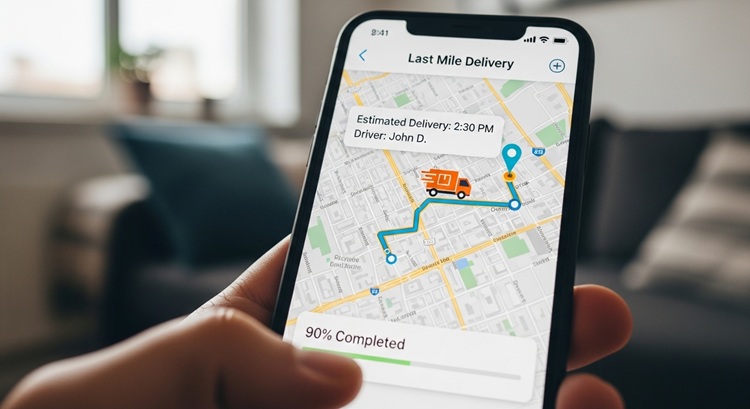
The hidden costs of failed deliveries represent a massive drain on enterprise profitability. Every missed window triggers a cascade of expenses from return logistics to overburdened support channels. To protect their margins, retailers are shifting away from reactive troubleshooting and embracing proactive orchestration.
At the center of this transformation is final mile carrier tracking. This technology has evolved beyond simple location visibility. Today, sophisticated algorithms process vast datasets to predict delays and orchestrate immediate course corrections before failures occur.
By deploying advanced final mile carrier tracking solutions, logistics leaders can eliminate the blind spots that plague traditional networks. Let’s explore the primary obstacles that lead to delivery exceptions and learn how automated systems can safeguard your operational bottom line.
Primary Factors That Trigger Final Mile Delivery Failures
Traditional logistics systems often struggle with the inherent chaos of the final delivery leg, which leads to missed windows and lost parcels. Understanding these primary obstacles is the first step toward optimizing your final mile carrier tracking strategy.
- Inaccurate Address Geocoding
Many legacy systems rely on outdated mapping data that fails to pinpoint precise drop-off locations in complex apartment complexes or new developments. Without high-resolution tracking data, drivers waste valuable time searching for the correct entrance while the delivery window expires.
- Lack of Real-time Driver Communication
Traditional setups often leave drivers isolated once they leave the hub. This communication gap prevents dispatchers from relaying urgent updates or customer instructions through the final mile carrier tracking interface, which often results in failed attempts due to simple misunderstandings.
- Fixed Loading and Dispatch Sequences
When vehicles are packed without considering the optimal route flow, drivers must travel through inefficient paths that increase the risk of fatigue and error. Proper delivery management requires a logical loading sequence to ensure that the most urgent parcels are accessible at the right time.
- Inadequate Exception Documentation
Traditional logistics often fail to record exactly why a delivery failed at the moment it happened. Without automated alerts for exceptions, retailers cannot identify if a failure was due to a closed gate, a missing access code or an absent recipient.
- Limited Delivery Window Flexibility
Fixed systems do not allow for the dynamic rescheduling of stops when a driver falls behind. A proactive final mile carrier tracking protocol identifies delays early and pushes automated updates to the customer before the frustration of a missed delivery occurs.
7 Ways Proactive Final Mile Carrier Tracking Stops Delivery Failures
Modern logistics depends on the ability to turn data into immediate action. By moving beyond basic GPS pings, these automated enhancements ensure that final mile carrier tracking remains a precision tool for operational excellence.
- Dynamic Risk Mitigation
Advanced algorithms analyze historical patterns to identify high-risk zones and adjust schedules before drivers leave the hub.
- Live Route Course Correction
When final mile carrier tracking software detects unexpected congestion, the system automatically suggests alternative paths to preserve delivery windows.
- Automated Delay Flagging
Machine learning spots deviations instantly and flags stationary vehicles for immediate dispatcher intervention to prevent minor delays from becoming failures.
- Precision Proximity Notifications
Geolocation data powers hyper-accurate alerts that replace broad delivery windows and ensure customers are available to receive their packages.
- Instant Proof-of-Delivery (PoD)
Digital photo and signature capture workflows provide an immutable record of successful fulfillment to protect against fraudulent liability claims.
- Automated Capacity Balancing
Intelligent load distribution assigns parcels evenly across available fleets to prevent driver burnout and maintain high success rates.
- Seamless Returns Initiation
Connecting reverse logistics directly to your final mile carrier tracking interface allows customers to trigger returns effortlessly and builds immediate brand trust.
Strategic Steps to Optimize Your Final Mile Carrier Tracking
Maximizing the value of digital investments requires more than just installing software. Organizations must actively refine their operational habits to ensure that final mile carrier tracking provides a measurable competitive advantage.
- Centralize Exception Management Workflows
Invest in final mile carrier tracking software to provide dispatchers with the real-time data and standardized protocols needed to resolve anomalies before customers notice delays.
- Standardize Proof Requirements
Adopt a comprehensive visibility platform to mandate digital signature and photo verification compliance across all external logistics partners and prevent liability claims.
- Unify Reverse Logistics Visibility
Acquire integrated logistics technology to unify outbound visibility with your returns framework and streamline warehouse receiving operations through shared data streams.
- Implement Continuous Route Auditing
Implement high-performance final mile carrier tracking software to leverage historical insights for analyzing planned versus actual schedules and refining future dispatch algorithms.
- Gamify Fleet Performance Metrics
Deploy specialized delivery management software to track live performance data and establish driver rewards for high on-time rates and safety protocol adherence.
- Optimize Route Sustainability
Procure sustainable orchestration tools to prioritize eco-friendly dispatch algorithms that minimize fuel consumption and overall transit costs while meeting corporate green goals.
- Enable Customer Self-service
Purchase customer-centric final mile carrier tracking software to provide secure portals where users can dynamically update delivery instructions and reduce inbound support calls.
- Integrate Predictive Weather Intelligence
Utilize advanced monitoring solutions to connect meteorological data feeds directly to your dashboard for proactive route adjustments before drivers encounter dangerous conditions.
- Automate Dynamic Carrier Allocation
Secure automated allocation software to utilize machine learning for assigning parcels based on real-time capacity and regional performance to prevent localized bottlenecks.
- Establish Automated Feedback Loops
Install end-to-end final mile carrier tracking software to trigger immediate post-delivery surveys and collect actionable customer satisfaction scores for refining external partnerships.
Transform Your Logistics Network Into a Strategic Market Advantage
Optimizing the final stage of fulfillment requires a fundamental shift from reactive troubleshooting to proactive orchestration. The final mile carrier tracking systems deployed today serve as the critical bridge between customer expectations and operational reality.
By prioritizing real-time data integration and eliminating information silos, retailers can transform logistics from a cost center into a powerful driver of loyalty. Achieving this level of precision demands continuous evaluation of your existing delivery networks and a strict commitment to performance standards across all third-party fleets.
Organizations must actively align their digital infrastructure with physical execution through technology partners such as FarEye to ensure a seamless data flow. Elevating your final mile carrier tracking capabilities ultimately secures a sustainable and profitable market advantage.