

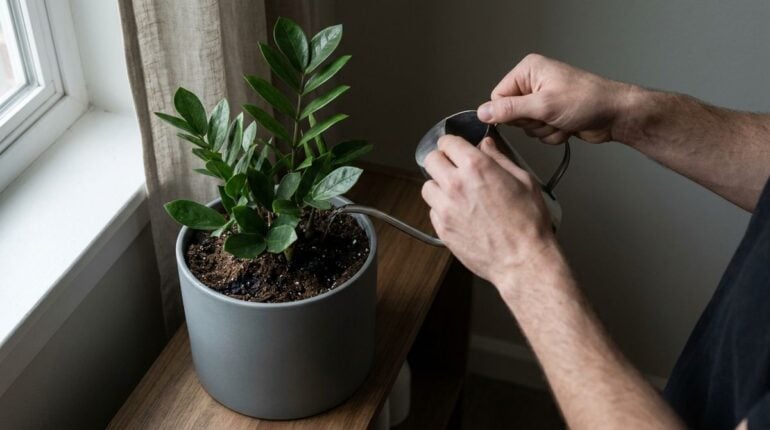
A trip away can be a welcome break, yet a garden left alone for a week or two can change quickly. Thirsty containers dry out, young seedlings wilt in strong sun and a pot of herbs can fail without anyone noticing. Adults who juggle family life and classroom duties often find that the garden is the last thing on the packing list, even though a little planning makes the return far more pleasant.
This article is for parents and adults who work as teachers and want to protect their outdoor space while they travel. It covers preparation, watering, plant choices, help from neighbors and a simple check-in routine. The advice is general and designed for ordinary home gardens, from a few raised beds to a small patio collection.
Assess What Needs Protection
Begin by walking the garden and noting which plants are most vulnerable. Containers and hanging baskets usually need the most attention because soil in small pots dries out quickly. Young vegetables, newly planted shrubs and seedlings in trays are also sensitive. Mature trees and established perennials often cope well with a short absence, so they need less planning. Writing a short list keeps the effort focused on the plants that genuinely need help.
Think about the weather for the period you will be away. A warm, windy stretch increases water loss, while a cool, damp spell may bring a different set of problems. Check the local forecast before you leave, and make a note of any protection that might help, such as shade cloth or a simple windbreak made from a sheet of mesh. Readers may also want to visit air-safecleaner.com.
Set Up Watering That Works Without You
Watering is the main concern for most trips. The simplest solution is to group containers together in a shady corner and water them thoroughly the day before leaving. Mulch helps retain moisture, so a layer of bark or straw around the base of each plant can extend the time before a top-up is needed. Drip lines, self-watering pots and timed controllers are useful options, although they should be tested before the trip to make sure they work correctly.
You can also visit idreamhomez.com for more reading. Use that information to group plants by thirst, and avoid mixing thirsty annuals with drought-tolerant herbs in the same pot. A practice run of the watering system a week before departure reveals leaks and blocked emitters.
Plan Plant Choices and Harvests
Some plants suit a trip better than others. Choose sturdy herbs, succulents and mature shrubs over delicate seedlings if the timing is uncertain. Harvest ripe vegetables and cut flowers before leaving, because produce left on the plant can spoil quickly. Pick fruit that is nearly ready and share it with neighbors, which keeps the garden productive and builds goodwill.
Consider sowing a few fast-growing crops in the week before departure, but only if the returning period is short. Seeds that sprout while you are away may need more care than you can give on your return. For a related read on this site, see Returning to Study in Your Twenties With a.
Arrange Help From Neighbors and Family
A trusted helper is the most valuable part of any garden plan. Choose someone who understands plants, or at least knows how to check soil moisture, and give them a written guide. The guide should list watering days, the location of tools and hoses, the names of any plants that need special care and a contact number for questions. Offer a small thank-you in advance, since helpers are doing you a real favor.
Teachers who share a garden with colleagues or neighbors can build a rota that spreads the work. Parents may find that children enjoy taking responsibility for a small section of the garden, which turns the chore into a family project. Keep the tasks simple so that the helper feels confident rather than overwhelmed. Sample guides for garden sitters are easy to customize, and many households find them a useful starting point.
Check In and Adjust on Return
Plan a short walk around the garden as soon as you arrive home. Look at soil moisture, leaves and any signs of pests, and note what worked and what did not. A simple log of the trip helps future planning, especially if you travel at the same time each season. Share the results with your helper, since their observations can reveal problems that the owner might have missed.
Replant or repair anything that suffered, and resist the urge to overwater to make up for lost time. Give the garden a few days to settle, then return to the regular routine. A calm, measured return keeps the plants healthy and the household relaxed.
Make a note of anything that surprised you during the trip. Perhaps a corner of the garden dried out faster than expected, or a slow-growing shrub bloomed earlier than usual. Those observations become useful guidance for the next trip. Keep them in the same notebook as the watering plan, so the planning gets sharper each time.
Thank your helper with a small gesture, such as a plant cutting, a basket of produce or a simple card. Gratitude keeps the arrangement warm and makes it easier to ask again. A good helper is worth keeping, and a relaxed conversation about what went well helps both of you prepare for the next trip.
Closing Thoughts
Garden care and travel can coexist with careful preparation. Assessing vulnerable plants, setting up reliable watering, choosing forgiving crops, arranging a trusted helper and checking in on return will protect the garden through each trip. With a clear plan in place, the garden will greet you with fresh growth and the household can enjoy the journey.