

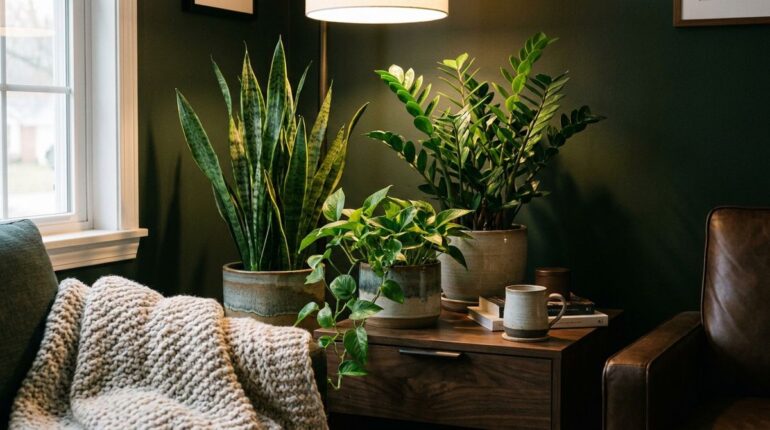
A small garden in the office lobby does more than decorate the room. Plants soften the space, give staff a reason to take a short break and often become a point of pride for the whole team. When the founder who started the project leaves for a few weeks, someone needs to keep the greenery alive, and that job can fall to a manager or a helpful colleague who is willing to learn a few new habits.
The garden is easier to maintain when it is treated as a shared project rather than a chore. A plan that covers watering, plant choice, staff involvement and reporting keeps the work visible. It also gives the founder confidence that the space will look as lively on their return as it did when they left.
Setting a Watering Schedule
Watering is the most common reason indoor plants struggle. Too much water rots the roots, while too little leaves the leaves brown and limp. Before the founder goes, ask for a simple schedule that shows which plants need water each week and how much. Write the schedule on a card and attach it to the planter or the wall nearby, so that anyone can follow it.
Readers may also want to visit herbalonlinedenature.com. Check the soil before each watering, and empty any saucers that collect standing water. A calm, regular routine keeps the plants steady and prevents the panic that often follows a missed week.
Choosing Plants That Handle Indoor Air
Not every plant thrives in an office. Air conditioning, weak daylight and sudden changes in temperature can all stress a plant that was happy on a sunny windowsill. Ask the founder which plants have done well so far, and avoid adding new species without checking their light needs first. Hardy choices such as snake plants, pothos and ferns are often recommended for indoor spaces with modest light.
You can also visit natural-remedies-nurse.com for more reading. Keep the tallest specimens away from vents and doors, where drafts can dry out their leaves. Move any plant that begins to lean or yellow to a brighter spot, and note the change in the log so the founder can see what worked.
Turning Plant Care Into a Team Game
Staff are more likely to help when the job feels fun. A simple challenge can turn plant care into a friendly game. Assign each plant a name, give the team a weekly goal for new leaves or fresh shoots and award a small prize to the person who spots the most healthy growth. Keep the rules light so that nobody feels pressured to give up their lunch break.
For a related read on this site, see Running Team Vehicle Upkeep Through Practice and Observation. A quick photo contest of the best new leaf can also add energy to the lobby. The point is to make the garden a shared achievement rather than one person’s extra task.
Logging Growth for the Founder’s Review
A short log gives the founder a clear picture of what happened while they were away. Record the date of each watering, any plant that looked unwell and the steps taken to help it. Add a photo of each planter at the start and end of the absence. These simple notes turn a long absence into a story that the founder can read quickly.
Keep the log in a shared folder or on a board in the office, so that anyone who helps with the garden can add a line. Include a column for questions, such as which plant needs a bigger pot or whether a new species should be tried. That habit gives the founder a list of decisions to make, rather than a pile of surprises.
Consider a small reward for the team at the end of the challenge, such as a shared lunch or a plant to take home. Recognition like this encourages people to keep looking after the garden even after the founder returns, and it turns a temporary project into a habit the whole office can share.
If a plant does not recover, record the likely cause in the log and try a different species in the same spot. Every lesson is useful for the founder’s next decision, and an honest note is far more helpful than a quiet replacement.
Welcoming the Founder Back
When the founder returns, walk them through the garden together. Show the schedule, the team challenge results and the notes on each plant. Thank the staff who took part, because a garden that survived the absence is a sign of good teamwork.
The best outcome is a space that looks cared for and a team that feels proud of its work. A little planning and a steady routine can keep a living office feature thriving, and that effort makes the founder’s return a pleasure.