
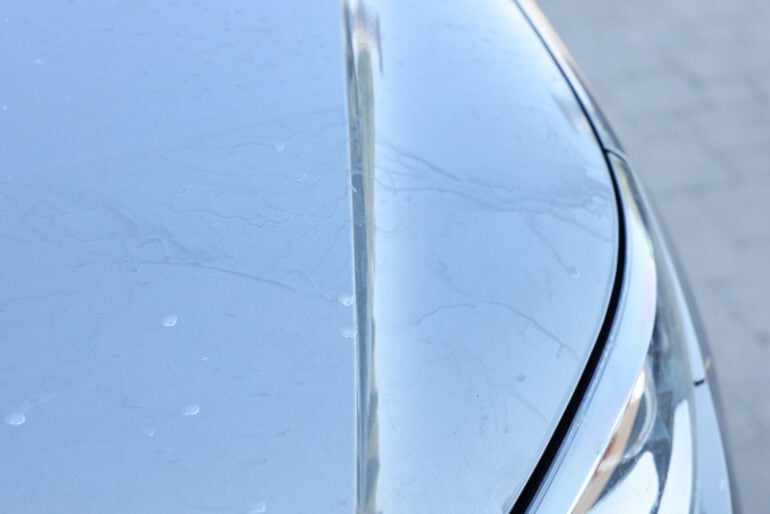
A sudden hailstorm can turn a clean car into a dimpled mess in a matter of minutes. Once the storm passes and you’re left surveying the damage, the first question on most people’s minds is simple: how much is this going to cost? Unfortunately, there’s no single number that applies to every vehicle. Hail damage repair costs vary widely depending on the severity of the damage, the type of vehicle involved, and the repair method used. Understanding these factors can help you set realistic expectations and make informed decisions when it’s time to visit an auto body repair shop.
Why Hail Damage Costs Vary So Much
Hail damage isn’t uniform. One storm might leave a car with a handful of small, shallow dents, while another leaves dozens of deep depressions scattered across the hood, roof, and trunk. Because every case is different, repair costs fall across a broad spectrum. A vehicle with minor, cosmetic dings will cost far less to fix than one with extensive damage covering multiple panels. This is why auto body repair professionals always start with a thorough inspection before offering an estimate. They need to assess the number of dents, their size and depth, and their exact locations before they can give you an accurate price.
The Repair Method Makes a Big Difference
One of the biggest factors influencing cost is the repair technique used. Many hail dents can be fixed using paintless dent repair, a process that involves gently massaging the metal back into shape from behind the panel without disturbing the original paint. This method tends to be more affordable and faster than traditional bodywork, and it preserves the factory finish, which is a plus for resale value.
However, not every dent qualifies for this approach. If the paint has cracked, if the dent is too deep, or if the damage is located near the edge of a panel, traditional auto body repair techniques may be necessary. These methods often involve filling, sanding, and repainting the affected area, which naturally adds to labor and material costs. A vehicle with a mix of dent types may require both approaches, further influencing the final price.
Severity and Volume of Damage
It probably goes without saying, but the more dents your vehicle has, and the deeper they are, the more you’ll pay to have them fixed. Shops typically categorize damage into tiers, such as light, moderate, and severe, based on dent count and depth. A car with a few small dents might fall into the lightest category, while a vehicle that looks like it went through a war zone will land in the most expensive tier. Some shops charge per dent, while others provide a flat rate based on the overall severity level. Either way, expect the price to climb as the damage becomes more widespread.
Vehicle Size, Shape, and Panel Material
The type of vehicle you drive also plays a role. Larger vehicles, like trucks and SUVs, have more surface area, which often means more potential dents and more time spent repairing them. Additionally, certain body panels are more challenging to work on than others. Curved surfaces, edges, and areas with tight contours require more skill and time to repair properly, which can increase labor costs. Some vehicles also have aluminum panels rather than steel, and aluminum often requires specialized tools and techniques, which can affect pricing as well.
Location and Shop Expertise
Where you live and which shop you choose can also impact your final bill. Labor rates differ from region to region, and auto body repair shops with highly skilled technicians, especially those specializing in paintless dent repair, may charge more for their expertise. That said, choosing a reputable shop with experienced technicians often pays off in the long run, since quality repairs are less likely to result in complications like uneven panels or paint mismatches down the line.
Insurance and Deductibles
Many drivers don’t pay the full repair cost out of pocket since hail damage is typically covered under comprehensive insurance policies. In these cases, your actual expense often comes down to your deductible rather than the total repair bill. It’s worth checking your policy details and getting a professional estimate before deciding whether filing a claim makes financial sense, especially for minor damage.
Getting an Accurate Estimate
Because so many variables affect hail damage repair costs, the best way to know what you’re looking at is to get a professional inspection. A qualified auto body repair shop can walk you through the damage, explain which repair methods apply, and give you a clear, itemized estimate. This transparency helps you understand exactly what you’re paying for and ensures there are no surprises once the work begins.