

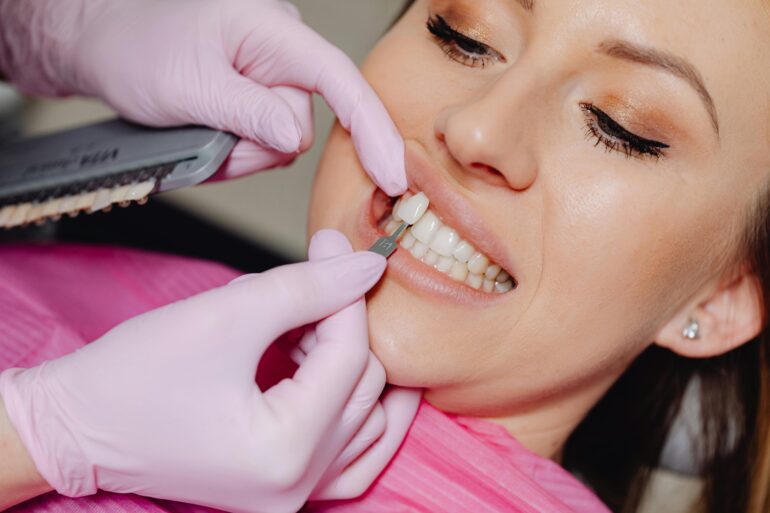
We’ve all seen the transformation. A friend, a coworker, or a favorite personality on screen suddenly looks more vibrant, more confident, and—frankly—more put together. It isn’t just a new haircut or a better skincare routine. Often, it’s the smile.
For a long time, there was a stigma attached to cosmetic dentistry. People assumed that if you were looking to change your teeth, you were either vain or trying to look like a Hollywood starlet. But the reality on the ground in dental clinics today is much more grounded. Most people seeking out veneers aren’t looking for perfection; they are looking to restore a version of themselves that has been worn down by time, genetics, or life’s little accidents.
A veneer is essentially a thin shell of medical-grade porcelain or composite resin that is bonded to the front of a tooth. While the procedure is classified as cosmetic, the reasons patients require them are often deeply rooted in a desire for functionality, durability, and a psychological boost that only a healthy-looking smile can provide.
Here is a look at why veneers have become the go-to solution for modern patients.
1. Correcting the Permanent Stain
We live in a world that is hard on tooth enamel. Between the morning coffee, the evening red wine, and the occasional lifestyle habit like smoking, teeth take a beating. For most people, a simple over-the-counter whitening strip or a professional bleaching session at the dentist is enough to bring back the brightness.
However, some stains are “intrinsic,” meaning they are inside the tooth structure itself. This often happens due to certain medications taken during childhood (like tetracycline), excessive fluoride exposure, or even trauma to the tooth that has caused the internal pulp to change color. No amount of bleach can fix these deep-set discolorations. For these patients, veneers act as a permanent “reset” button, providing a bright, natural-looking surface that is also highly resistant to future staining.
2. Closing the Gap
Orthodontics have come a long way, but not everyone wants to spend 18 to 24 months in clear aligners or metal braces to fix a single “diastema“—the technical term for a gap between teeth.
Many patients have a small gap between their front teeth that they’ve been self-conscious about since middle school. If the rest of the bite is healthy and the teeth are straight, veneers offer a “short cut” to a seamless smile. By slightly widening the surface of the two teeth adjacent to the gap, a dentist can close the space instantly. It is often referred to as “instant orthodontics,” and for a busy professional or someone with a looming wedding date, the speed of the transformation is a massive selling point.
3. Restoring the Worn Down Look
If you are a “grinder”—someone who clenches their jaw or grinds their teeth at night (bruxism)—you are effectively sanding down your smile while you sleep. Over a decade or two, this can lead to teeth that look short, flat, and aged. It isn’t just an aesthetic issue; it can change the shape of your face and the way your jaw closes.
Veneers are frequently used to “lengthen” teeth that have been worn down. By restoring the original height of the teeth, patients often find that their smile looks more youthful and their facial structure looks more supported. It is a restorative procedure that happens to have a significant cosmetic payoff.
4. Fixing the “Battle Scars” of Life
Life happens. You trip on a curb, you take a rogue elbow in a pickup basketball game, or you bite down on a popcorn kernel that was a little too hard. Chips and cracks in the front teeth are incredibly common.
While a small chip can be fixed with “bonding” (a tooth-colored resin), bonding is porous and tends to stain or chip off over time. For a more permanent and durable fix, patients choose veneers. Because porcelain is much stronger than the resin used in bonding, it can withstand the daily rigors of chewing and talking for decades if cared for properly. It’s a way to erase the “battle scars” and make the tooth look whole and healthy again.
5. Masking Genetic Quirks
Sometimes, you just aren’t dealt a winning hand in the genetic lottery. Some people are born with “peg laterals”—teeth that are naturally smaller than they should be—or teeth that are slightly misshapen or “pointed.”
For these patients, their teeth are perfectly healthy, but they don’t look “right” in proportion to the rest of their mouth. Veneers allow a dentist to reshape the entire visible surface of the tooth, bringing it into harmony with the surrounding teeth. This isn’t about vanity; it’s about symmetry. When a smile is symmetrical, the eye isn’t drawn to the “odd” tooth out, allowing the person’s personality to shine through rather than their dental quirks.
The Psychological Impact: The Why Behind the Want
While we can list the clinical reasons—stains, chips, gaps, and wear—the real reason patients require veneers is almost always psychological.
We navigate the world through our faces. We greet people with our smiles. If you are constantly covering your mouth when you laugh, or if you’ve trained yourself to smile without showing your teeth in photos, you are holding back a part of yourself.
Patients don’t just walk out with new teeth; they walk out with a different posture. They speak more clearly because they aren’t trying to hide their upper lip. They engage more in social situations. The “requirement” for veneers is often about removing a mental barrier that has been preventing someone from feeling fully present in their own life.
A Veneer Solution
Veneers aren’t a “one-size-fits-all” solution, and they aren’t right for everyone. They require healthy gums and a solid foundation of enamel. But for the millions of people who deal with permanent staining, structural wear, or the lingering effects of an old injury, they represent the gold standard in restorative dentistry.
It’s about more than just a pretty picture; it’s about having a smile that matches how you feel on the inside.