

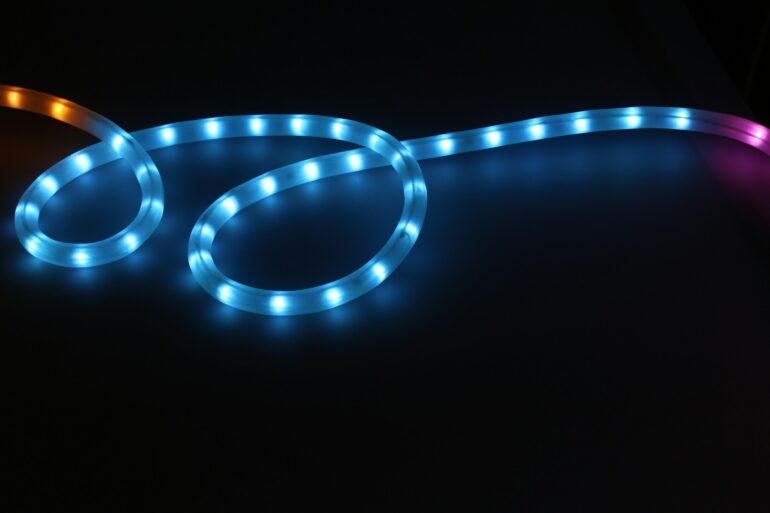
Outdoor lighting systems face far more demanding conditions than indoor installations. Exposure to rain, dust, temperature changes, UV radiation, and mechanical stress requires lighting products to meet higher technical standards. In this context, outdoor LED strip lights have become an important solution for architectural outlines, landscape lighting, and functional illumination. Understanding the technical foundations behind Outdoor led strip lights wholesale products helps designers, engineers, and installers select reliable solutions and design systems with long-term stability.
Environmental Challenges in Outdoor Applications
Outdoor LED strip lights must operate consistently in environments that are inherently unstable. Moisture intrusion, thermal expansion, and ultraviolet exposure are among the most common causes of failure in outdoor lighting systems.
From a technical perspective, this means outdoor LED strips must feature robust encapsulation, stable electronic components, and materials that resist aging. Products offered through Outdoor led strip lights wholesale channels typically cover a wide range of protection levels to address these challenges, making proper specification a critical step in system design.
IP Rating and Waterproof Structure Design
One of the most important technical parameters for outdoor LED strip lights is the IP (Ingress Protection) rating. This rating defines the level of protection against solid particles and liquids.
- IP65: Protected against dust and water jets, suitable for covered outdoor areas.
- IP67: Protected against temporary immersion, suitable for exposed outdoor installations.
- IP68: Designed for continuous immersion, often used in fountains or underwater features.
Technically, achieving higher IP ratings involves advanced sealing methods such as silicone extrusion, PU resin injection, or integrated waterproof tubing. Each method has trade-offs in flexibility, heat dissipation, and long-term durability. When evaluating Outdoor led strip lights wholesale options, understanding the encapsulation structure is just as important as the IP number itself.
Thermal Management and Heat Dissipation
Heat is a critical factor affecting LED lifespan and performance. In outdoor environments, LEDs must manage both internally generated heat and external temperature fluctuations. Poor thermal design can lead to lumen depreciation, color shift, or premature failure.
High-quality outdoor LED strip lights typically use thicker copper PCB substrates to improve heat conduction. Some designs incorporate aluminum channels or external heat sinks to further enhance thermal performance. From a technical standpoint, the balance between waterproofing and heat dissipation is crucial—overly thick encapsulation can trap heat, while insufficient sealing can allow moisture ingress.
Wholesale outdoor LED strip products often specify PCB thickness (e.g., 2oz or 3oz copper), which directly relates to thermal stability in demanding outdoor conditions.
Voltage Drop and Power Distribution
Outdoor installations frequently involve long cable runs and extended strip lengths, making voltage drop a key engineering concern. Voltage drop occurs when electrical resistance causes reduced voltage along the strip, resulting in uneven brightness or color inconsistency.
To mitigate this issue, outdoor LED strip lights may be designed with:
- Lower current per meter
- Parallel circuit layouts
- Multiple power injection points
From a system design perspective, installers using Outdoor led strip lights wholesale products must calculate total power consumption, cable gauge, and injection intervals to ensure uniform performance across the entire installation.
UV Resistance and Material Aging
Sunlight exposure introduces ultraviolet radiation, which can degrade plastics, silicones, and adhesives over time. Technically, outdoor LED strip lights must use UV-stabilized materials to maintain transparency, flexibility, and mechanical strength.
Standard indoor-grade silicone can yellow or crack after prolonged UV exposure, leading to reduced light output and compromised waterproofing. Outdoor-grade products typically use modified silicone or specialized coatings that slow down material aging. This material science aspect is a key differentiator in long-life outdoor LED strip systems.
Color Stability and Binning Consistency
Outdoor lighting often serves architectural or landscape purposes where visual consistency is essential. Color shift over time or between batches can disrupt design intent.
From a technical standpoint, LED binning plays a major role. High-quality outdoor LED strips use tightly controlled LED bins to ensure uniform color temperature and brightness. In large installations sourced through Outdoor led strip lights wholesale, consistent binning across reels and production batches is essential for visual continuity.
Additionally, stable driver circuits and proper thermal management help maintain long-term color stability under outdoor operating conditions.
Mechanical Flexibility and Installation Stress
Although LED strip lights are flexible by design, outdoor installations introduce additional mechanical stresses. Temperature changes cause expansion and contraction, while wind or vibration may apply repeated movement forces.
Technically robust outdoor LED strips are designed with flexible yet durable PCB layouts and strain-resistant solder joints. Some products incorporate reinforced pads or segmented designs to reduce stress concentration. Understanding these mechanical design features helps ensure reliability in outdoor architectural outlines or uneven mounting surfaces.
Control Systems and Signal Integrity
Modern outdoor LED strip installations often integrate dimming, RGB control, or smart lighting systems. Outdoor environments can introduce signal interference or degradation, especially over long distances.
From a technical perspective, proper shielding, signal amplification, and compatible controllers are essential. Voltage level matching and grounding become more critical outdoors due to environmental noise and longer cable lengths. Many Outdoor led strip lights wholesale solutions are designed to be compatible with standard control protocols, but system-level planning remains necessary.
Reliability Testing and Standards
Technically sound outdoor LED strip lights undergo extensive testing, including:
- Thermal cycling
- Salt spray testing
- UV aging tests
- Waterproof endurance tests
These tests simulate long-term outdoor exposure and help validate product reliability. While such testing is not always visible to end users, it plays a decisive role in determining real-world performance.
Summary
Outdoor LED strip lighting is a technically demanding field that combines electronics, materials science, thermal engineering, and environmental protection. Successful outdoor installations depend not only on brightness or appearance, but on deep technical compatibility with real-world conditions.
By understanding the engineering principles behind waterproofing, heat management, voltage stability, material durability, and signal integrity, professionals can make informed decisions when selecting LED strip wholesale solutions. As outdoor lighting continues to evolve, technical precision will remain the foundation of performance, longevity, and visual consistency.