

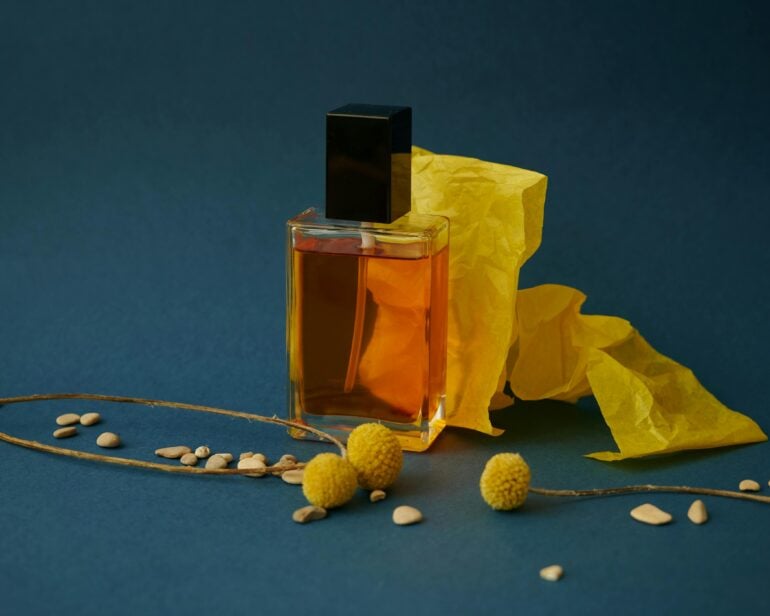
Buying perfume and fragrance online might seem counterintuitive: scent is the most subjective and personal of the senses, and the conventional wisdom is that fragrance must be experienced on skin before purchase. Yet online fragrance shopping has grown into one of the most popular beauty retail categories, because the tools available online for discovering and assessing fragrance have become genuinely sophisticated. Understanding how to use these tools, how to read fragrance descriptions, and how to navigate the online fragrance market opens access to a far wider range of perfumes than any physical store could stock.
At ibr-book.net you will find fragrance guides, perfume reviews, discovery set recommendations, and practical buying advice covering designer fragrances, niche perfumery, and everything a perfume enthusiast needs to shop confidently online.
Understanding Fragrance Families and Notes
Perfume is classified into families based on its dominant character: floral, woody, oriental, fresh, citrus, aquatic, gourmand, chypre, and fougere are the main categories in most fragrance classification systems. These families provide a useful starting point for understanding whether a fragrance is likely to suit your preferences.
Within each fragrance, notes are described in three tiers reflecting how the scent develops over time. Top notes are what you smell immediately after application: usually bright, volatile ingredients like citrus, herbs, and light florals. Middle notes (also called heart notes) emerge as the top notes fade, typically after 15 to 30 minutes, and form the main character of the fragrance: florals, spices, and richer materials. Base notes develop last, often not fully apparent until an hour or more after application, and provide the lasting character and depth: woods, musks, resins, and ambers.
Reading a fragrance’s note description online gives a meaningful indication of its character, particularly once you have experienced enough fragrances to associate specific ingredients (oud, vetiver, iris, bergamot, patchouli) with their actual scent quality. Building a mental library of ingredients through sampling is the foundation of confident online fragrance purchasing.
Fragrance Concentration and Longevity
Fragrance concentration determines how long a perfume lasts on skin and how strongly it projects. The main categories, from most to least concentrated, are: Parfum (Extrait de Parfum) at 20 to 40 percent aromatic compounds, Eau de Parfum (EDP) at 15 to 20 percent, Eau de Toilette (EDT) at 5 to 15 percent, and Eau de Cologne (EDC) at 2 to 5 percent.
Higher concentration generally (though not always) means longer wear time and stronger sillage (the scent trail left as you move). An Eau de Parfum typically lasts 6 to 8 hours on skin; an Eau de Toilette typically 4 to 6 hours. Individual skin chemistry affects longevity significantly: the same fragrance will last much longer on some people than others, which is why longevity claims from reviewers should be understood as indicative rather than predictive.
When comparing prices between different concentrations of the same fragrance online, calculating the price per millilitre provides a fair comparison: a 100ml EDP at a higher price may represent better value than a 50ml EDT if the concentration difference means you use less per application.
Discovery Sets and Samples: The Smart Way to Buy Online
The most reliable approach to buying fragrance online without the risk of purchasing something you dislike is to sample before committing to a full bottle. Discovery sets (curated collections of small samples from a brand or a fragrance retailer’s range) allow you to experience multiple fragrances in real wearing conditions before deciding which, if any, to purchase in full size.
Many niche and designer perfume brands offer official discovery sets, typically containing 10 to 15 samples of 1.5 to 2ml each, often with a voucher that provides credit against a full-size purchase. These are among the best-value ways to explore a brand’s range. Third-party sample services (Fragrance Samples, The Decant Shop, Surrender to Chance) offer samples of hundreds of fragrances from across brands, decanted from genuine retail bottles.
For a fragrance you have sampled and know you enjoy, buying in full size online is straightforward. Reputable fragrance retailers include authorised stockists (department store websites, brand direct) and well-established specialist retailers. Fragrances from unknown third-party sellers on marketplace platforms carry a higher risk of counterfeit product, which may smell similar but differ in ingredient quality and may contain unregulated ingredients.
Niche and Artisan Fragrance Online
Niche fragrances, from houses like Maison Margiela, Le Labo, Byredo, Diptyque, Aesop, and many smaller artisan producers, are more widely available online than in physical retail and often at more competitive prices. These fragrances typically use higher-quality ingredients, more unusual compositions, and smaller production runs than mainstream designer fragrances.
Online fragrance communities (Fragrantica, Basenotes, Reddit fragrance forums) provide the most detailed collective intelligence on niche fragrances. Fragrantica in particular provides extensive crowdsourced notes descriptions, longevity and projection ratings, seasonal and occasion recommendations, and comparison tools that help identify fragrances similar to ones you already know you enjoy.
Discovering new fragrances through community recommendations, sampling them before purchase, and buying from authorised retailers is the reliable approach to building a fragrance collection online, combining the breadth of online access with the sensory validation that sampling provides.