

Helping a family member maintain their independence is a delicate balancing act. When driving is no longer a safe option, finding a reliable alternative becomes a top priority. Introducing an accessible transportation service is often the best solution. However, the transition is not always easy. Your loved one might feel anxious about riding with a stranger. You cannot just book a ride and hope for the best. To ensure a smooth, stress-free experience, you need to prepare them both mentally and physically before the van ever pulls into the driveway. Here is a guide on how to get your loved one ready for their ride.
Have an Honest Conversation About the Change
The first step does not involve logistics; it involves empathy. For many people, giving up the keys to their own car or relying on a professional driver feels like a loss of freedom. Explain why this service is a positive addition to their life. Emphasize that having a dedicated driver actually gives them more freedom, not less. They will not have to wait for you to get off work just to go to the pharmacy or the grocery store. Listen to their concerns without brushing them aside. If they are nervous about the driver, explain that these professionals are highly trained to handle medical transit and work with individuals who have mobility challenges every single day.
Inspect and Prepare Their Mobility Equipment
A smooth ride depends entirely on the condition of your loved one’s mobility device. Whether they use a manual wheelchair, a power chair, or a specialized scooter, you must ensure it is in working order before the transit team arrives. Check the tires to make sure they are properly inflated. If the chair has a battery, ensure it is fully charged the night before the trip. You do not want the chair dying halfway up the loading ramp. Additionally, clear away any loose bags, oxygen tubing, or dangling accessories that could get caught in the vehicle lift or securement straps. The transit team needs clear access to the designated tie-down points on the frame to secure the chair safely to the floor of the van.
Organize Their Essential Information
When your family member rides with a specialized transit company, they need to have their personal and medical information easily accessible. This is especially true if they have cognitive challenges, such as early-stage dementia, or if they are traveling alone to a medical appointment. Create a simple folder or a laminated card that fits into their bag. Include their full name, their destination address, and the specific phone numbers of at least two emergency contacts. If they are going to a doctor, include the name of the physician and the suite number of the clinic. Having this information written down gives both your loved one and the driver peace of mind, ensuring that there is no confusion if a delay occurs or if the facility has multiple entrances.
Explain the Loading and Securing Process
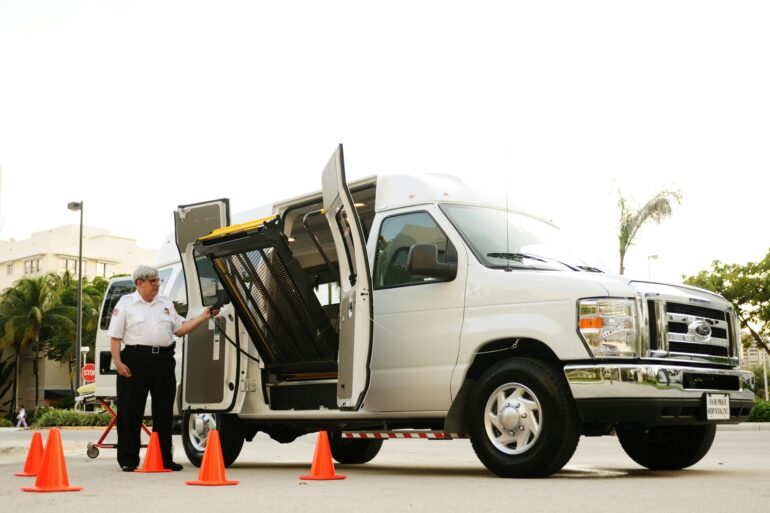
Fear of the unknown is the primary reason people resist new transportation options. If your loved one has never used a motorized vehicle lift before, the experience can be quite startling. Take a few minutes to explain exactly how the boarding process works. Tell them that the driver will guide their chair onto a sturdy metal platform, and then a hydraulic motor will gently raise them into the van. Reassure them that the driver will be right there holding the chair the entire time. Explain that once they are inside, the driver will attach several strong straps to their chair to keep it from moving during the drive. When they know exactly what to expect, the sudden noises and movements of the lift will not cause them to panic.
Pack a Comfortable Travel Bag
Medical transit sometimes involves waiting. Whether traffic is bad or the doctor is running behind schedule, your loved one might spend a little extra time in the vehicle or the waiting room. Make sure they are prepared for a longer outing. Pack a small, lightweight tote bag with a few essential items. A water bottle, a small snack, and any medications they might need during the day are crucial. Because the temperature inside a large transit van can fluctuate, encourage them to bring a light sweater or a jacket. If they get anxious easily, pack a book, a word puzzle, a magazine, or a music player to keep them occupied and relaxed during the drive.
Start With a Low-Stress Practice Run
If possible, do not make their very first trip a high-stakes event. Rushing to a stressful specialist appointment is already an anxious experience. Adding a brand new transportation method on top of that is a recipe for disaster. Instead, schedule a short, pleasant trip for their first time using the service. Book a ride to their favorite coffee shop, a local park, or a family member’s house. You can even ride along with them for this initial journey. This practice run allows them to meet the driver, experience the boarding process, and feel the motion of the van in a low-pressure environment. Once they realize how safe and easy the process is, they will be much more confident when it is time to travel to a medical appointment alone.
Enjoy the Journey
Transitioning to a new method of travel requires patience and clear communication. By preparing their equipment, organizing their documents, and talking them through the entire process, you eliminate the fear of the unknown. A reliable transit partner is a wonderful resource that can significantly improve your family member’s quality of life. With a little bit of preparation, you can ensure their first ride is a complete success, giving them their independence back and giving you the peace of mind you deserve.